Salient features of this disorder are as follows:
- It is known to be originated since the time of pregnancy.
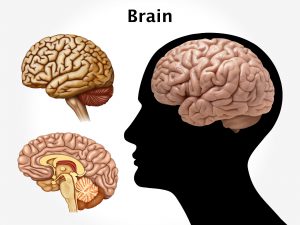
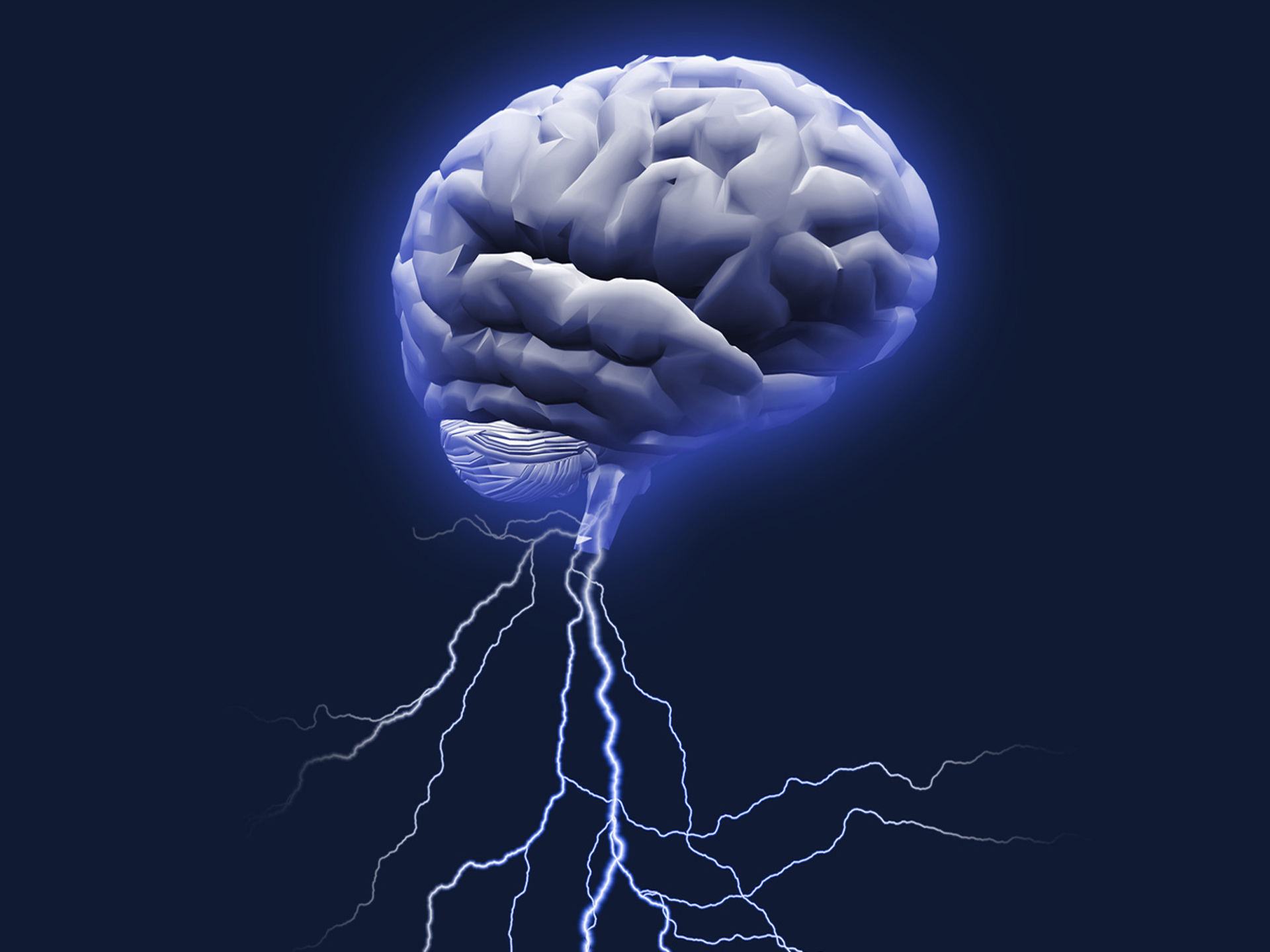
- This disorder affects primarily the area of brain which helps in movement.
- Rate of prevalence is very low.
- It is characterized by increased or reduced muscle tone.
- It is found mainly in case of premature babies.
- Birth trauma may lead to cerebral palsy.
- Mainly involves children below the age of five.
- Certain illness after birth gives rise to cerebral palsy.
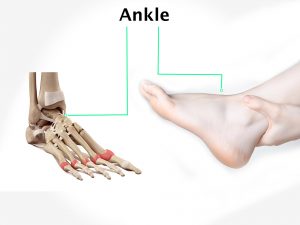
- Toe walking is an important sign of it.
- It is frequently associated with convulsions.
Following are some of the accompanying disorders:
- Deafness
- Difficulty in paying attention
- Problem in sight
- Paralysis
Four types of cerebral palsy that exist among children:
- Spastic variety
- Athetoid variety
- Ataxic variety
- Mixed variety
Spastic variety:
- It is the most common variety.
- It affects around 70% of all children.
- Contractures are seen in this type of palsy.
- Weakness of muscles is seen according to the area of nervous damage.
- Stiffness is seen at affected area.
It may give rise to:
- Hemiplegia
- Paraplegia
- Quadriplegia
Athetoid variety:
- It is the second most commonly found cerebral palsy.
- It accounts for 15-20% of cerebral palsy.
- It is characterized by the presence of involuntary movements.
- Movements of the affected part are uncontrolled, slow.
- Manifestations are better during sleep.
Ataxic variety:
- It accounts for 5-10% of cerebral palsy.
- It may produce difficulty in walking.
- Disturbance in balance
- These children may also find difficulty in performing various activities involving coordination.
- Weakness and tremors are found frequently.
Mixed variety:
- It is combination of spastic and athetoid variety.