Causes and risk factors
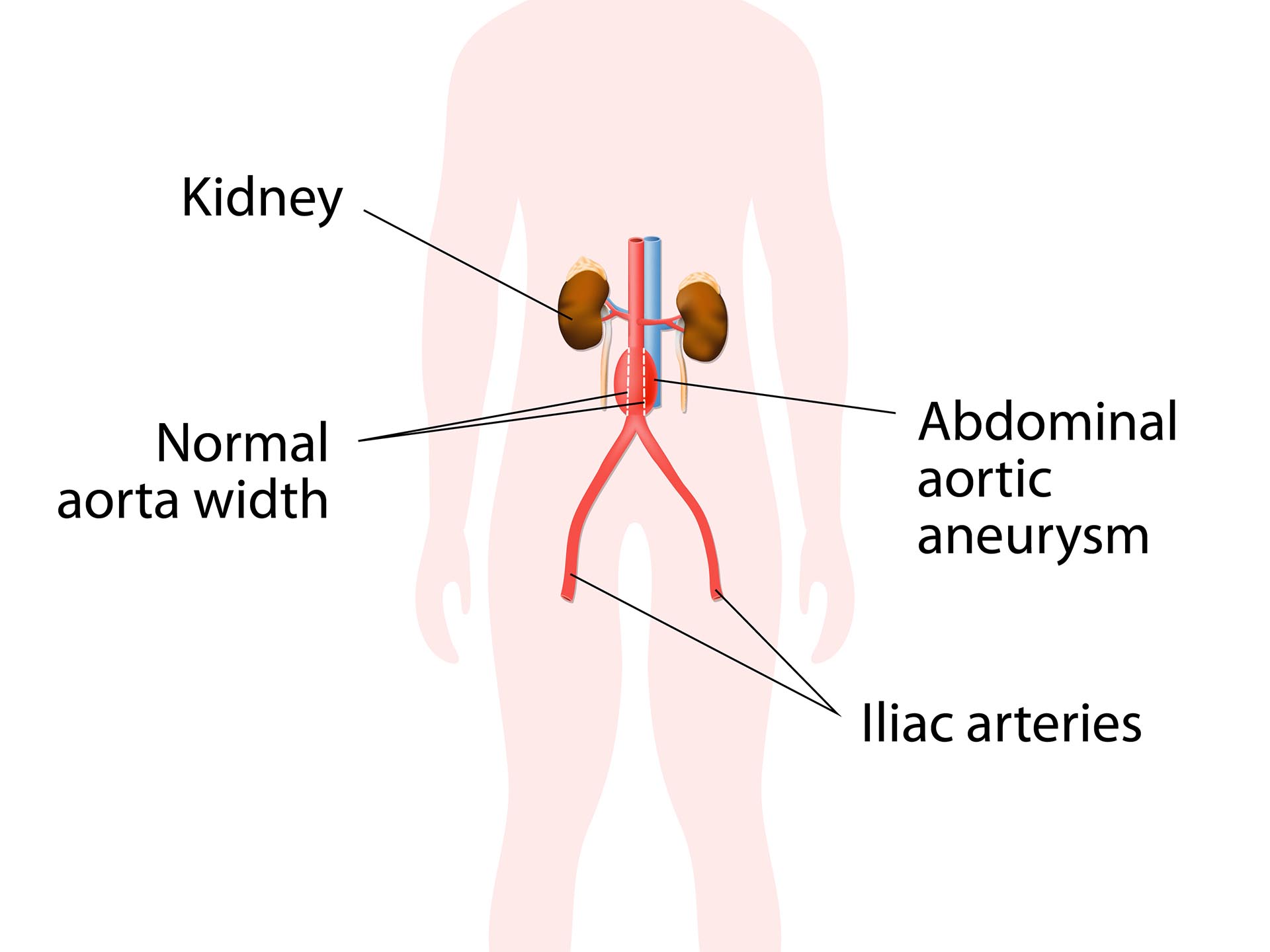
Aneurysm is caused due to thinning or weakening of the walls of the abdominal aorta which results in formation of a bulge or ballooning. The ballooning is in the walls of the aorta like a bubble in hose pipe. However certain conditions like hypertension, smoking, excess alcohol, obesity can trigger aneurysm. Coarctation of aorta and genetic diseases like Marfan syndrome, multiple endocrine neoplasias etc can also cause aneurysm. Incidences are also seen in patients who have a strong family history. High levels of cholesterol leading to artherosclerosis is one of the leading causes of aneurysm.
Clinical presentation:
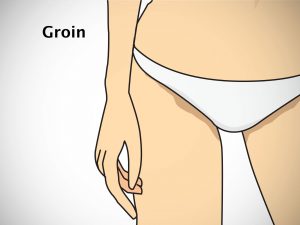
Most of the patient remains asymptomatic. As the aneurysm increases the patient experiences symptoms. The patient comes up with complaints of pain in abdomen. The pain is on and off and it may radiate to the back, groin or to the lower extremity. The pain is not ameliorated by anything. On palpation tenderness is felt and a pulsating mass can be felt. Dry skin and dry mouth, excessive thirst, nausea, vomiting, loss of appetite, altered bowel movement are the other associated symptoms seen. Dizziness, sudden weakness, rapid heartbeat etc can also be felt. Rupture of aneurysm is a medical emergency and can be life threatening.
Investigations:
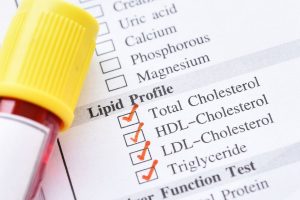
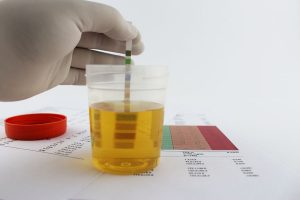
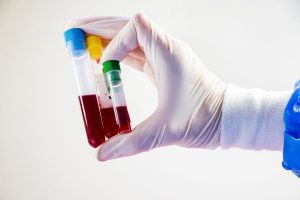
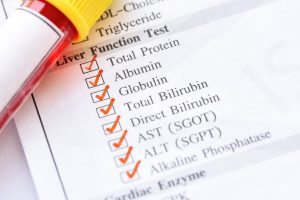
Diagnosis is done of the basis of the symptoms narrated by the patient and the physical examination carried out by the doctor. Ultrsonography, CT Scan or MRI of the abdomen is diagnostic. Apart from this routine Blood test, Blood sugar levels, Renal and liver function test are also done.
Treatment:
In cases where the aneurysm is small it needs to be closely monitored, No medical intervention is needed in such cases. In other cases surgical repair is needed. Either the traditional method of open repair is adopted or endovascular stent grafting is done. Change in lifestyle is must after this. One need to quit smoking and drinking and the diet should comprise of well balanced and healthy food intake. Regular exercises for maintaining a healthy life is necessary.
Recent update:
A new stent graft made from a 3-D image of the patient’s anatomy helps fix abdominal aortic aneurysms in patients who otherwise have few options.