Causes and risk factors
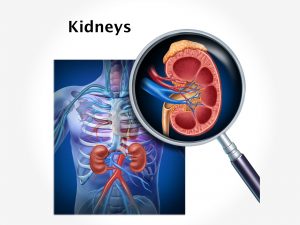
Causes of ATN include lack of oxygen to kidneys, major surgery, trauma or injury to the kidney, low blood pressure for a longer duration, infection, intake of certain medicines which are toxic to kidneys, injected dye for imaging purpose. Burns, septic shock, blood transfusion reaction are also some of the causes.
Clinical presentation
Patient with ATN presents with delirium, decreased urine output, or no urine output. There is fluid retention in the body. Additional symptoms include fever, nausea, vomiting. There can be fatigue, drowsiness, confusion. Patient can land into coma.
Investigation
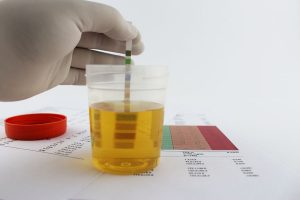
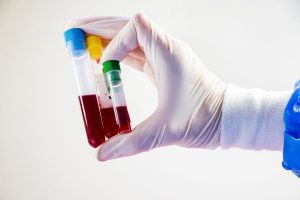
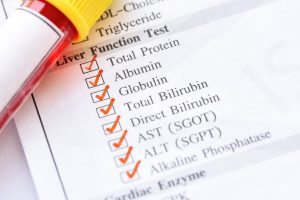
Medical history by the patient and clinical examination by the doctor helps in diagnosis. Sodium, potassium, and other electrolyte levels are estimated. Urinalysis is done. Routine blood test is advised. Urine sodium, urine specific gravity, osmolality of urine are obtained. Kidney biopsy is recommended.
Treatment
Restriction of fluid intake is advised. Administration of diuretics, medications for controlling potassium levels in the bloodstream, medications to remove fluids from body will also help in managing ATN. Temporary dialysis may be required.
Other Modes of treatment
The other modes of treatment can also be effective in treating ATN. Homoeopathy is a science which deals with individualization and considers a person in a holistic way. This science can be helpful in combating the symptoms. Similarly the Ayurvedic system of medicine, which uses herbal medicines and synthetic derivates, is also found to be effective in treating ATN.