
Causes and risk factors
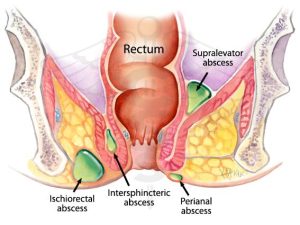
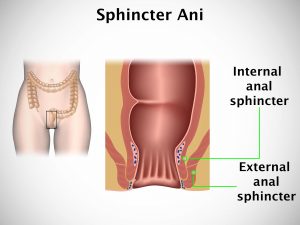
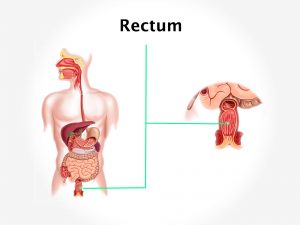
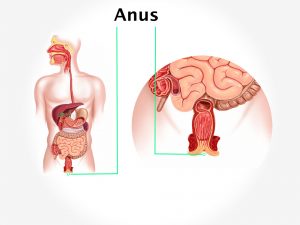
The causative organism is bacteria such as E. coli, Bacteroides fragilis, or Staphylococcus aureus. The obstruction of the glandular ducts by feces, foreign material, or trauma will result in stasis and secondary infection causing abscess in the anorectal area. From this site, the infectious process may extend distally to emerge subcutaneously as a perianal abscess, or it may spread laterally producing an ischiorectal abscess. Anorectal abscesses can also be secondary to other pathologic conditions like inflammatory bowel disease, tuberculosis, actinomycosis, Lymphogranuloma venereum, carcinoma, lymphoma. It can follow a trauma, surgery, or radiation. Risk factors include anal sex, chemotherapy (treatment for cancer), and weakened immune system such as HIV.
Clinical presentation
Pain is the most common presenting complaint of patients with anorectal abscesses. It is described as throbbing or as a dull ache. It is usually intense. Pain is experienced as a pressure sensation up inside the rectum that is aggravated by sitting, walking, and sudden increases of abdominal pressure produced by coughing and sneezing. Patient complains of constipation. Accompanying symptoms include malaise, fever. There may be minor purulent discharge, sudden onset of purulent discharge followed by symptomatic improvement suggesting spontaneous drainage of the abscess. There is localized swelling, redness, and tenderness.
Investigation
Medical history by the patient and clinical examination by the doctor helps in diagnosis. Anoscopy, proctoscopy, flexible sigmoidoscopy is recommended. Anal ultrasonography may be done. CT scan of pelvis is advised.
Treatment
The treatment of anorectal abscess is immediate, adequate drainage. Antibiotics may be useful to treat infection post surgery. Medications such as analgesics, antipyretics, NSAIDs may be prescribed for symptomatic relief. Sitz bath is advised which helps reducing inflammation. Stool softeners, high-fiber diet, liquid or semisolid food, practicing good hygiene is suggested post surgery.
Other Modes of treatment
The other modes of treatment can also be effective in treating anorectal abscess. Homoeopathy is a science which deals with individualization and considers a person in a holistic way. This science can be helpful in combating the symptoms. Similarly the Ayurvedic system of medicine, which uses herbal medicines and synthetic derivates, is also found to be effective in treating anorectal abscess.