Causes and risk factors
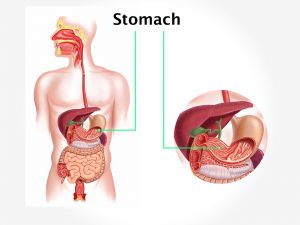
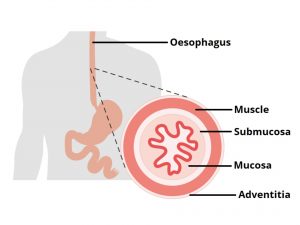
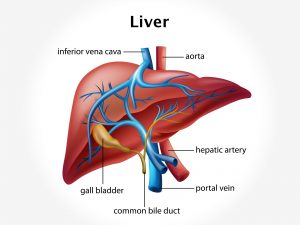
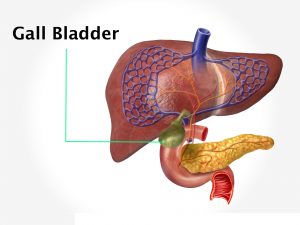
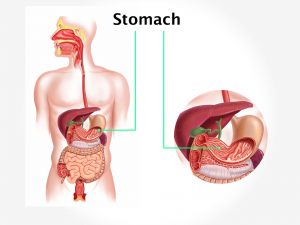
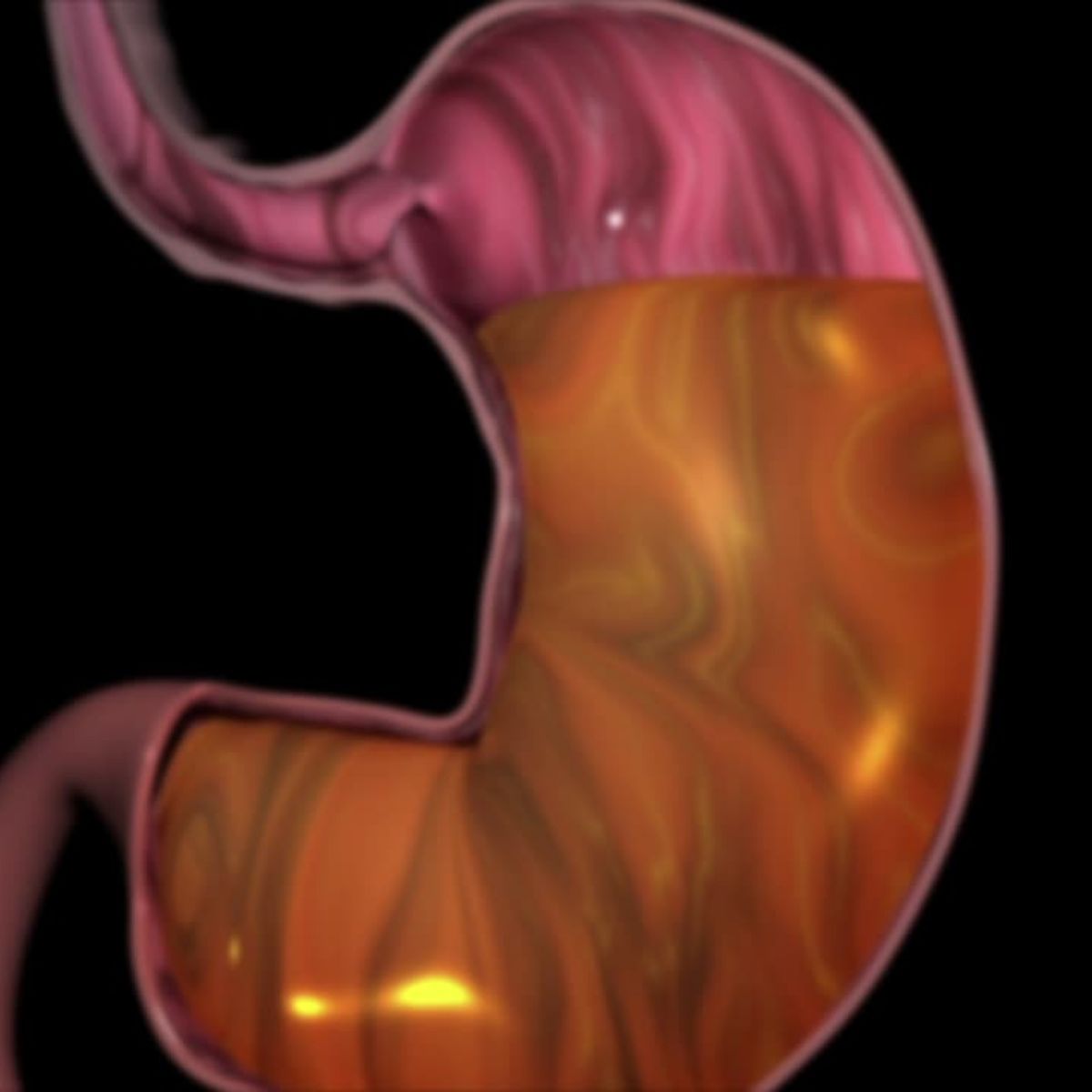
Bile, a digestive fluid, is produced by the liver, stored in gall bladder and released into the duodenum during digestion. Pyloric sphincter prevents bile from entering it into the stomach. Bile reflux is caused due to conditions involving damage to pyloric sphincter, peptic ulcer, and post cholecystectomy surgery.
Clinical presentation
Patient presents with severe, long lasting abdominal pain and burning especially after eating, frequent heartburn which is not relieved by antacids, nausea, vomiting. Some may present with unexplained weight loss. Bile reflux is many times confused with GORD [acid reflux]
Investigation
Medical history by the patient and Clinical examination by the doctor helps in diagnosis. Investigation is done mainly to rule out GORD. Endoscopy [esophagogastroduodenoscopy] is done to check for ulceration or inflammation in the walls of GIT. Oesophageal impedance to check for gas or acid in the oesophagus.
Treatment
Medical treatment include use of bile acid sequestrants that prevent circulation of bile in digestive tract thus prevent it from causing harm if refluxed, prokinetic agents which help bile move to small bowel faster and prevent its reflux. Surgical treatment includes Roux – en – Y diversion [diversion of bile away from gastric mucosa].
Other Modes of treatment
The other modes of treatment can also be effective in treating bile reflux. Homoeopathy is a science which deals with individualization considers a person in a holistic way. Similarly the ayurvedic system of medicine which uses herbal medicines and synthetic derivates are also found to be effective in treating biliary reflux.
Recent updates
Recently cytoprotective drugs are being studied which may prove an alternative for surgery.