Causes and risk factors
The exact cause is still not known. However, it is thought to be an embryonic neural crest cell which fails to return to the epidermis.
Clinical presentation
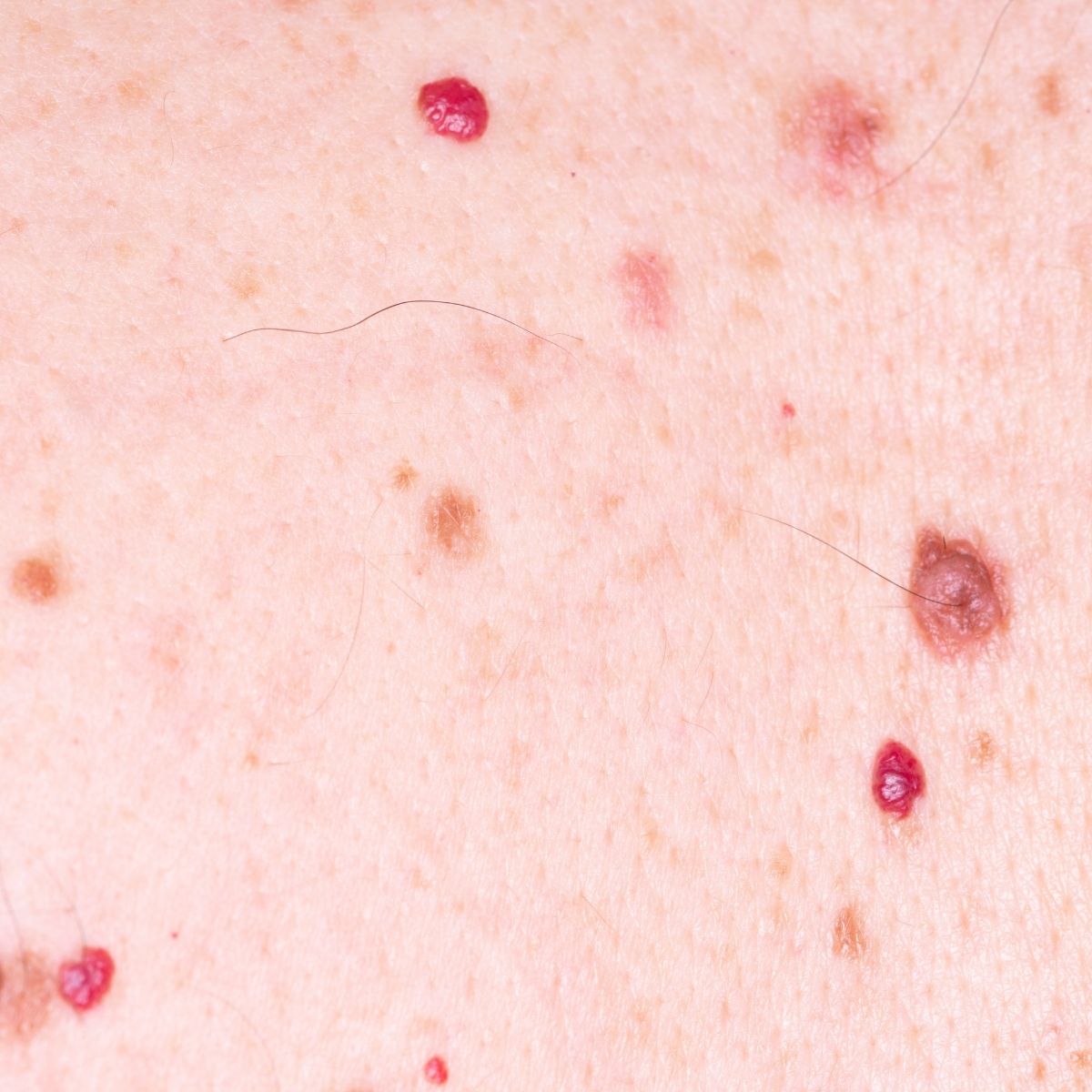
There are two forms of blue nevus – common variety and cellular blue nevus. Cellular blue nevus is a rare variety. They are usually big in size, having a blue or grey appearance and a smooth surface. These lesions have a high risk of malignancy. The common variety of blue nevus is small lesions with bluish grey appearance and they do not have a potential risk of malignancy. The common site of affection is face, scalp, hands, and feet. Blue nevus are seen as raised eruptions with dry surface which are bluish black colored with round shape or they have a flat appearance. They are harmless and remain unchanged. They do not cause any complaints. However, it can be a matter of worry from a cosmetic point of view.
Investigations
Diagnosis is done on the basis of symptoms narrated by the patient and the examination carried out by the dermatologist. Clinical examination itself is diagnostic. No investigations are needed ; however, if any alteration is noticed a skin biopsy can be done.
Treatment:
As blue nevus are harmless and do not cause any complaints, they do not need any medical intervention. For cosmetic reasons, they can be surgically excised.