Causes and risk factors
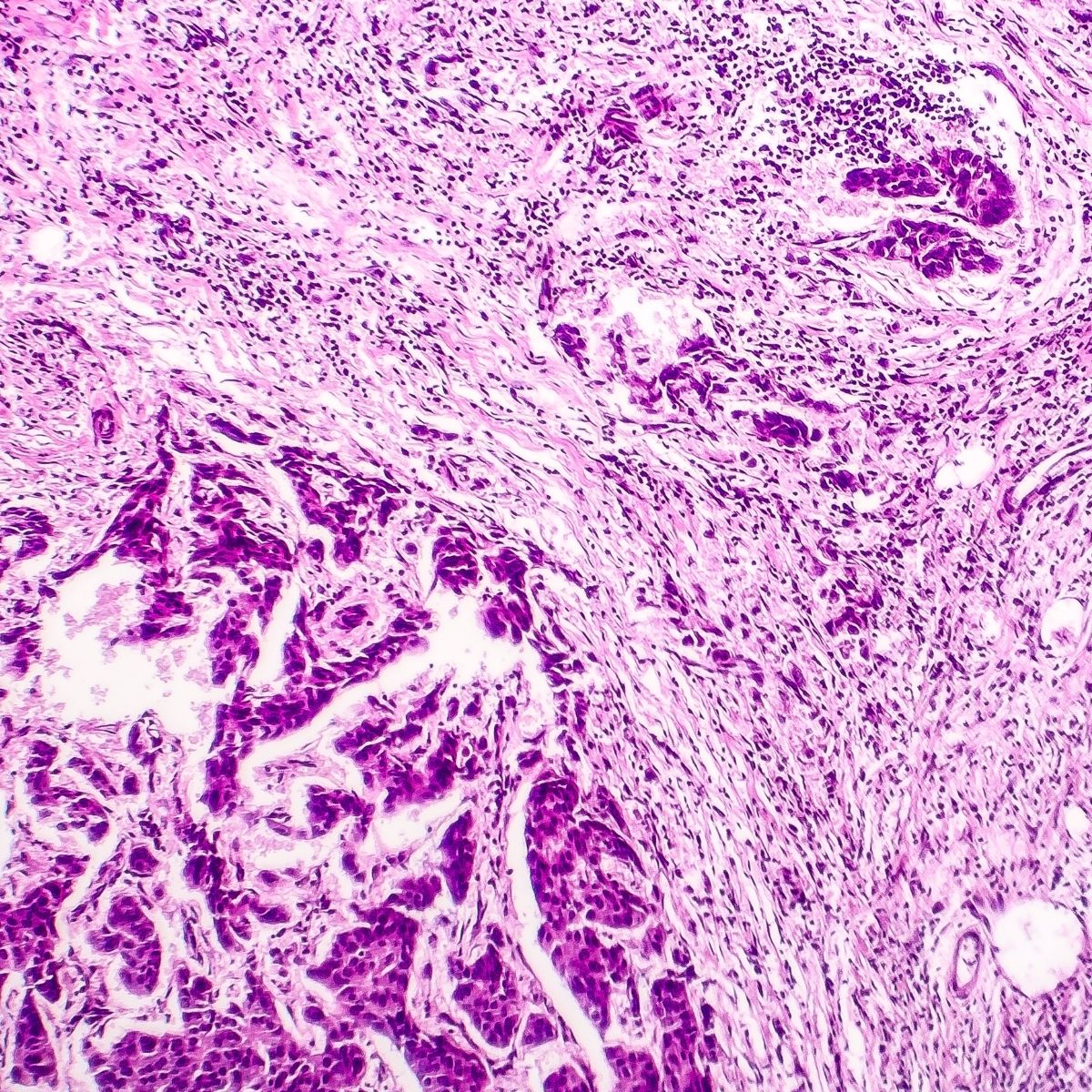
The exact cause of cancer is not known. In bone metastasis the cancerous cells present somewhere else break away from the original cancerous tumor and through the bloodstream and lymph spreads to the bones. These cancerous cells carry certain substances with them which help them to stick to the surfaces of the bone; they attach themselves to the cells and its coordinating network. There these cancer cells release some chemicals which hamper the working of the normal bone cells and they begin to thrive. Normally the bone cells are of two types osteoclasts and osteoblasts. The osteolblasts produces new bones while the osteoclasts break down the old ones. The cancerous cells hamper the functioning of these bone cells leading to weakening and simultaneously hardening (sclerosis) of the bones. As the bone cell are hampered the calcium from the bones is released into the blood.
Clinical presentation:
Metastasis can affect any bone of the body but the commonest site of affection is long bone of arms and legs. Bone pain is the characteristic features. The occurrence of pain is on and off. It is aggravated at night. Swelling in the affected area, Stiffness and tenderness of bones is seen. The patient experiences difficulty in movement, it aggravates the complaints. Easy fracture takes place. Metastasis in the spinal region can lead to compression in the spinal area causing pain in neck and back region. Numbness, tingling of extremities is seen. There is loss of control on the bowel and urine evacuation. Paralysis can supervene.Weight loss, fatigue, loss of appetite, anemia and stumbling is the other associated symptoms seen. As the bones are affected, the calcium from the bones is emitted into the blood leading to increase levels of calcium in blood. Increase levels of calcium thus leads to dehydration, tiredness and weakness, extreme thirst, drowsiness and confusion.
Investigations:
Diagnosis is done on the basis of symptoms narrated by the patient and the examination carried out by the doctor. A history of cancer helps in confirmation of the metastasis. Head to toe examination is carried out. Biopsy for testing of bone tissues is the diagnostic test. Certain other investigations like routine blood test, X-rays, CT scans, MRIs, PET are other test indicated. Other routine investigations like routine blood test, blood calcium levels, urine test etc are also done.
Treatment:
There is no cure for cancer. Prognosis is not good in cases of metastasis. However the treatment consists of surgical excision of the cancerous cells. After surgical intervention radiation therapy is used. Targeted chemotherapy and immunotherapy agents are administered.
Other modes of treatment:
Certain other modes of treatment can also be helpful in coping up the symptom. Taking into consideration the symptoms in holistic way, homoeopathy can offer a good aid for the relief of the symptoms.
Recent update:
A research which was collaborated between Brigham and Women Hospital and Dana Farber Cancer Institute has utilized a nanomedicine technology to develop a drug delivery system that can target the cancer cells specifically in the bones, strengthen the bone and volume which will help in preventing the progression.