Causes and risk factors
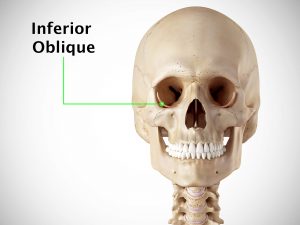
Brown’s sheath syndrome may be congenital or else acquired later. Acquired cases of Brown’s sheath syndrome could be due to eye injuries, either traumatic or surgical. Certain inflammatory diseases such as SLE, RA, etc., could contribute to the development of this syndrome.
Clinical presentation
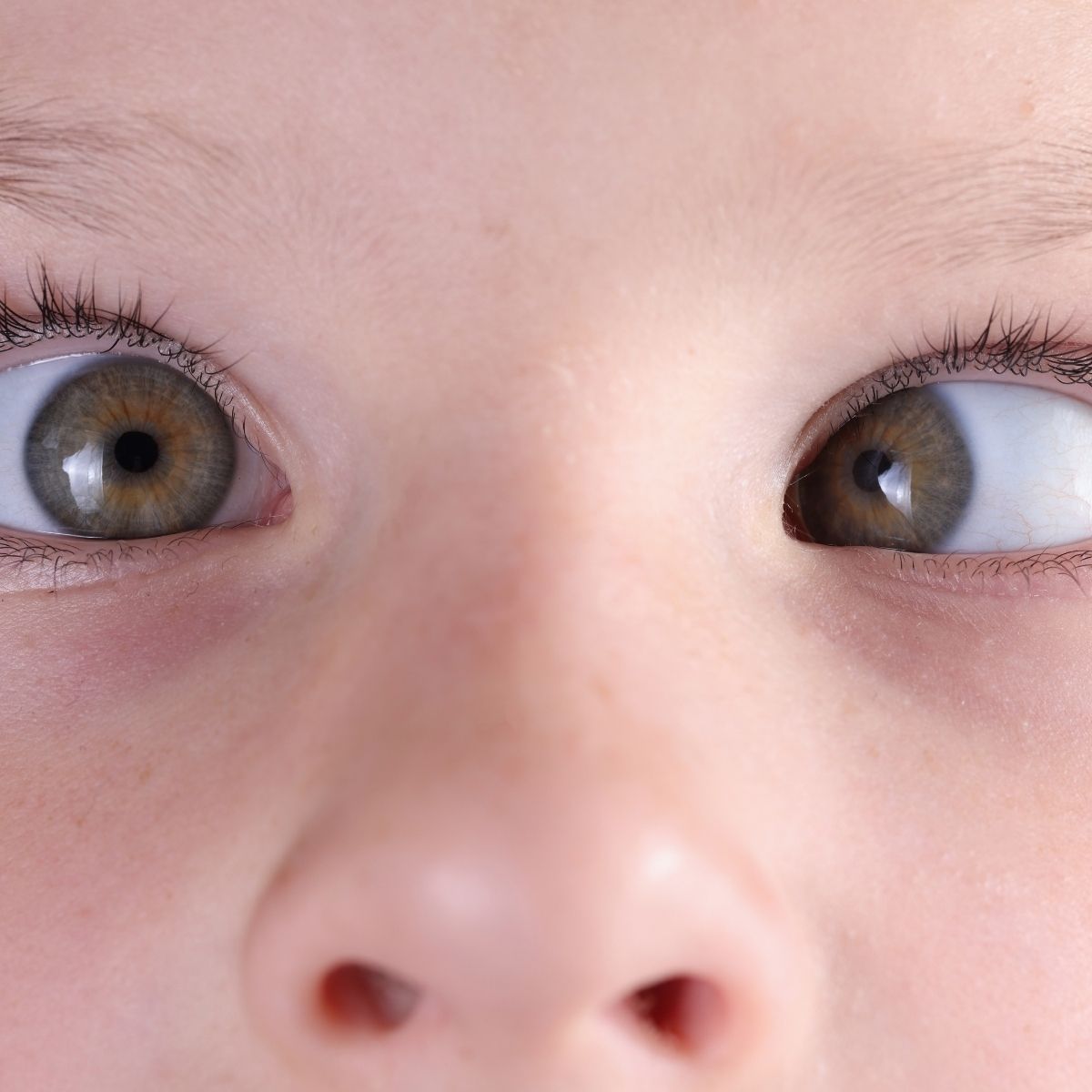
When examined from the front, the patient’s eyes appear to be absolutely normal. However, when the person is looking upwards or on the sides, one eye will appear higher than the other one. The lower eye is the abnormal one, while the higher one is normal.
Investigations
Brown’s syndrome is diagnosed clinically on the basis of ophthalmic examination. Even though the eyes appear normal when looking straight, the abnormality becomes obvious when seen looking upwards or downwards.
Treatment
Acquired cases of Brown’s sheath syndrome tend to have a better prognosis than the congenital disease. Patients who have acquired the syndrome can have spontaneous resolution of the condition. Several treatment modalities are available to treat Brown’s sheath syndrome.
Medications – anti-inflammatory drugs.
Injections – local corticosteroid injection.
Surgical intervention is suggested in some cases.
When to contact a doctor
Contact a doctor as soon as you experience any abnormal eye symptoms.
Systems involved
Ophthalmic, nervous.
Organs involved
Eye, nerves.