Causes and risk factors
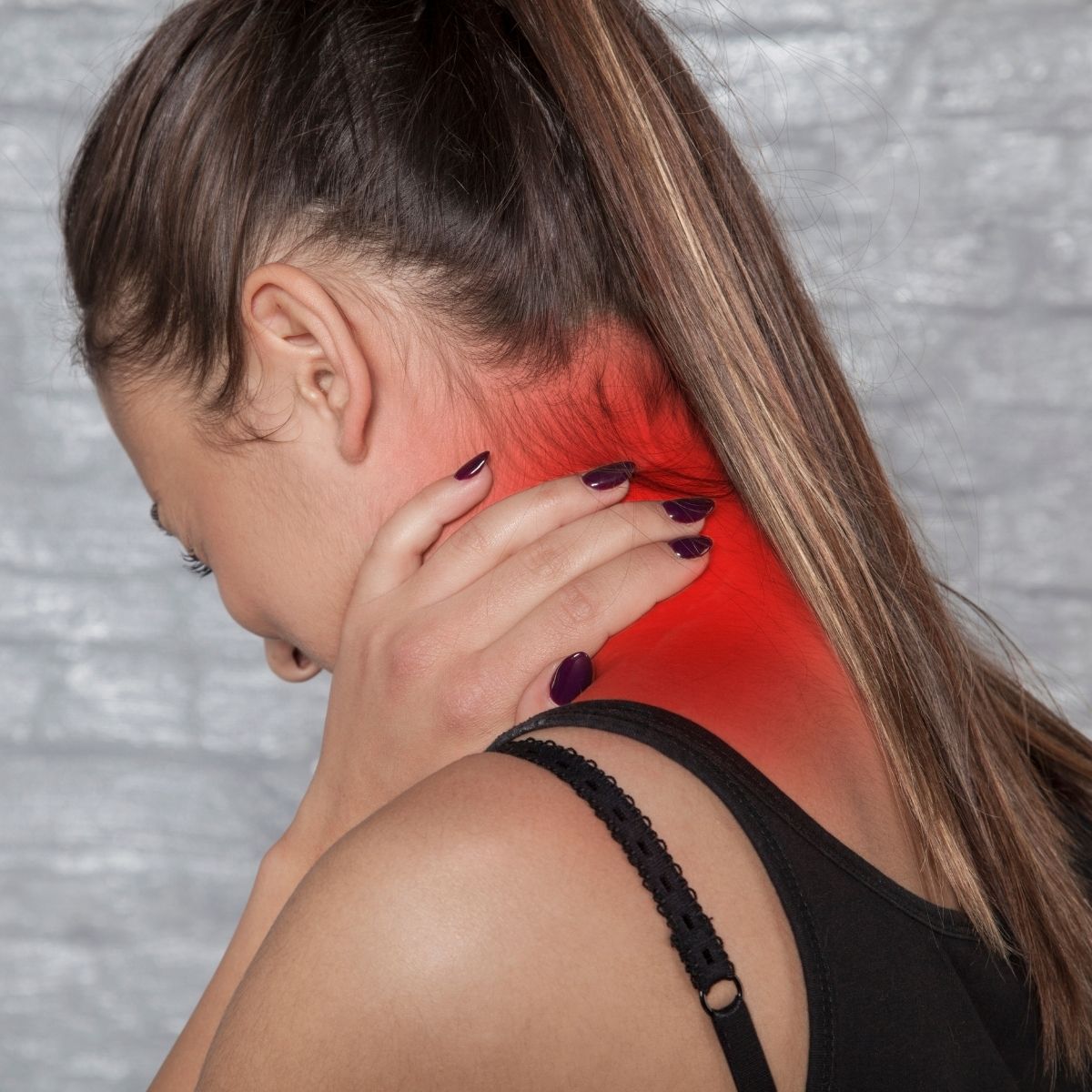
Trauma is the main causative factor for this syndrome. A strong fall or blow on the neck or on shoulder can result in pinching of the nerves and can lead to brachial plexus injury. Athletes, football players, and wrestlers have high risk of developing this condition because of the activity they are involved in. Collision in contact sports commonly cause such an injury. People suffering from spinal stenosis are at high risk for developing this condition.
Clinical presentation:
Burning and stinging sensation in one of the arm or hand is the most prominent feature of this syndrome. An electric shock like pain is felt. Numbness and weakness of the affected hand are the other associated complaints seen. The affected hand is warm to touch. The pain usually persists for a few seconds, however, they can persist for longer duration in some cases. Slight swelling can be seen in affected areas in case of any direct trauma.
Investigations:
Diagnosis is done on the basis of the symptoms narrated by the parents and the physical examination carried out by the orthopedic doctor. Certain physical tests are carried out by the doctor. Routine x-ray of the bone or specialized digital x-rays along with CT scan and MRI can be done to rule out other conditions. If required, nerve test can be done.
Treatment:
The complaints resolve on their own over time. During the phase of recovery, certain measures need to be implemented. Rest, elevation of the affected arm or shoulder and application of ice pack are the essential steps to be implemented. Analgesics or nonsteroidal anti-inflammatory drugs are advised by the orthopedic doctor. Compression of the affected area by using bandages can be done. Protective gears and pads are recommended during activity or sports. Physical exercise for stretching and improving the flexibility is advised.
Other modes of treatment:
Certain other modes of treatment can also be helpful in coping up with the symptoms. Taking into consideration the symptoms in a holistic way, homoeopathy can offer a good aid for the relief of the symptoms. The Ayurvedic system of medicine which uses herbs and synthetic derivates can also be beneficial in combating the complaints. Acupuncture which is the science of insertion of fine needles on certain stimulating spots on the body has proved to be effective. Certain yoga exercises can also be helpful in relieving the pain and strengthening the muscles.