
Causes and risk factors
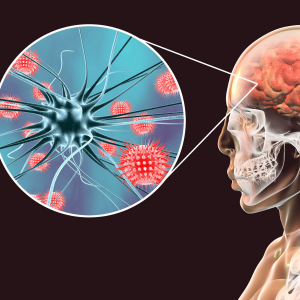
The exact cause of schizophrenia is not known. It is believed to be caused due to a complex group of genetic, psychological, and environmental factors. Difference in brain structure, chemical changes in CNS, problems in neurotransmitters like glutamate and dopamine also contribute to the disease condition.
Clinical presentation
The patient with catatonic schizophrenia shows a state of stupor. One presents either with stoppage of any voluntary activity or hyperactivity. There can be purposeless actions like repetitive behaviour or stereotype behaviour. They show immobility for hours. They sit in a position in which someone has placed them. It is called as waxy flexibility. There is maintenance of abnormal posture. The persons show marked rigidity when attempted to move. Command automatism is another symptom which is observed. It consists of aptly following the instructions given to the patient. There can also be Negativism i.e. resistance to all instructions in an attempt to move, without any cause. Movement in an opposite direction is also seen.
Investigation
Medical history by the patient and psychological evaluation by the psychiatrist or psychotherapist helps in diagnosis. Imaging studies such as MRI of brain may be useful for further evaluation and ruling out other causes. Presence of above mentioned symptoms help in diagnosis.
Treatment
Psychotherapy is required for treating catatonic schizophrenia. It involves cognitive behavioural therapy, which teaches anger management techniques, relaxation techniques. Getting enough sleep helps keep a stable mood in some patients. Medications like anti psychotics, anti depressants, anti anxiety drugs, mood stabilizers help in treatment of the disease. Electroconvulsive therapy [ECT] may be used to treat catatonic schizophrenia. Individual and family counselling will also help in managing catatonic schizophrenia. Hospitalisation may be required in severe episodes of disease.
Other Modes of treatment
The other modes of treatment can also be effective in treating catatonic schizophrenia. Homoeopathy is a science which deals with individualization considers a person in a holistic way. This science can be helpful in combating the symptoms. Similarly the ayurvedic system of medicine which uses herbal medicines and synthetic derivates are also found to be effective in treating catatonic schizophrenia.