Causes and risk factors
The exact cause is not known. However certain factors are triggering. Neck or head injury or sudden blow or some neurological affection can lead to cervical dystonia.
Clinical presentation:
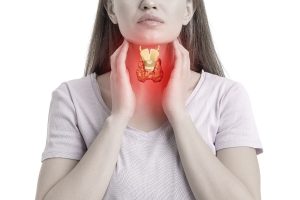
The symptoms are usually mild or the spasm can be severe in some cases. Pain in neck or shoulder region along with abnormal posture of head is the characteristic feature of cervical dystonia. Depending upon the twisting of head and neck it is classified into antecollis (the head is pulled forward) retrocollis (the head is pulled backwards) and laterocollis (the head is pulled sideways). The pain is dull aching in nature, radiating to the neck, shoulder or arms. The patient expreincences discomfort and difficulty in some movement. Movement aggravates the pain, it is ameliorated by rest.
Investigations:
Diagnosis is done of the basis of the symptoms narrated by the patient and the physical examination carried out by the orthopedic. Usually no investigations are required in cases of cervical dystonia. Diagnosis is confirmed by ruling out the other causes. Investigations like x ray of the neck or shoulder, MRI and CT of the neck scan can be advised to rule out other causes.
Treatment:
There is no specific treatment and no exact cure existing for cervical dystonia.
Rest and physiotherapy exercises are the simple measures that can relief the complaints. Pain relieving medications or muscle relaxants can be prescribed.
Other Modes of treatment:
Certain other modes of treatment can also be helpful in coping up the symptom. Taking into consideration the symptoms in holistic way, homoeopathy can offer a good aid for the relief of the symptoms. The Ayurvedic system of medicine which uses herbs and synthetic derivates can also be beneficial in combating the complaints. Certain yoga exercises can also be helpful in relieving the pain and strengthening the muscles.
Recent update:
As per the study conducted by Kansas State University the protein BiP plays a key role in a genetic mutation that is affiliated with early onset torsion dystonia