Causes and risk factors
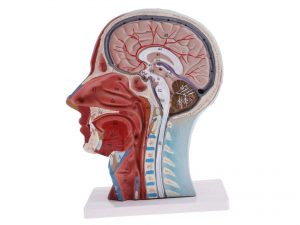
It is caused due to downward displacement of cerebellar tonsils through an opening at base of skull. It leads to obstruction of CSF. It is caused during the development phase of the foetus. Occasionally Genetic mutation can be responsible for this disease. These malformations can occur later in life due to drainage of an excessive amount of cerebrospinal fluid because of injury, infection, exposure to toxic substances. Females are more prone to this condition than males.
Clinical presentation
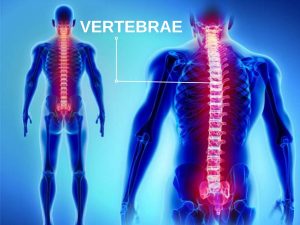
Many times patient is asymptomatic. Various types of Chiari malformation are seen. In type I signs and symptoms are exhibited usually during late childhood or adulthood. Severe headache excited by sudden coughing, sneezing or straining. Pain in the neck. Gait abnormalities, dizziness, numbness and tingling of the hands and feet, scoliosis are seen. There is difficulty in swallowing, blurring of vision, double vision. Hoarseness of voice, sleep apnoea, tinnitus. Chiari malformation type 2is characterized by extension of a greater amount of tissue into the spinal canal compared with Chiari malformation type I. It is detected by an ultrasound during pregnancy. It may also be diagnosed after birth or in early infancy. It is almost always accompanied by a myelomeningocele [a neural tube defect where bones of vertebral column don’t form completely resulting into incomplete spinal canal.]. Symptoms include change in pattern of breathing, difficulty in swallowing, quick downward eye movements, and weakness in arms. Chiari malformation type 3 is the most serious form. Protrusion of the cerebellum and brain stem through the foramen magnum and into the spinal cord is observed. Chiari malformation type 4 involves an incomplete or undeveloped cerebellum. It sometimes is associated with exposed parts of the skull and spinal cord.
Investigation
Medical history by the patient’s parents and Clinical examination by the doctor helps in diagnosis. Imaging studies such as X ray, CT scan, MRI scan of brain and spinal cord is useful for evaluation of disease.
Treatment
No treatment is required for asymptomatic patients. In cases with mild symptoms, medications can be used for relief. Surgery is the only corrective treatment. The common surgical procedures are posterior fossa decompression surgery, electrocautery in which electrical currents are used to shrink the lower part of the cerebellum, spinal laminectomy are useful in treating chiari malformation.