
Causative & risk factors
Conjoined twins result from the partial separation of an early embryo.
The babies were actually meant to develop into monozygotic (identical) twins. But for some reason, the embryo does not start splitting when it should. The splitting of the embryo usually begins late and the separation process remains incomplete. Thus conjoined twins are produced.
Clinical presentation
Conjoined twins can be connected at several places, the common ones include:
Thoracopagus twins – Joined at the chest. They often share a heart and sometimes the liver too.
Pygopagus twins – Joined at the base of the spine. Due to the site of connection, they usually face away from one another. They may share parts of the gastro-intestinal and urinary tract.
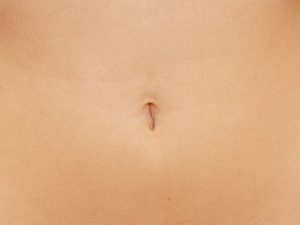
Omphalopagus twins – Joined near the umbilicus. They usually share a liver and sometimes, part of the intestines.
Ischiopagus twins – Joined at the pelvis. They usually share the liver and parts of the lower gastrointestinal, genital and urinary tract organs.
Craniopagus twins – Joined at the head. They share a part of the skull, and a portion of the brain tissue.
Investigations
Pregnant women can be screened for carrying conjoined twins by carrying out an ultrasound of the womb (anatomy scan). If conjoined twins are suspected, an MRI must be carried out to view the connection between the babies in greater detail.
Treatment
Once it is known that a woman is carrying conjoined twins, a planned C-section is performed a few weeks before the due date.
Some conjoined twins are stillborn, whereas some die soon after they are born. Those who survive are assessed for eligibility for surgical separation. The decision for surgery depends upon location where the babies are connected and whether any vital organs are shared or not. Separation surgery is usually performed not earlier than 2 months of age.
Statistics
According to the University of Maryland Medical Center, conjoined twins occur once every 200,000 live births. Approximately 40 to 60 percent of conjoined twins arrive stillborn, and about 35 percent survive only one day. The overall survival rate of conjoined twins is somewhere between 5 percent and 25 percent.