Causes and risk factors
Causes include stroke, intracranial hemorrhage, primary and secondary brain tumor, encephalopathy, traumatic brain injury, raised intracranial pressure. Injury to brainstem or cerebellum can cause the condition. Hepatic encephalopathy can also cause this posture. Infection such as malaria, brain abscess may lead to abnormal posture.
Clinical presentation
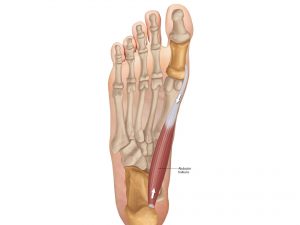
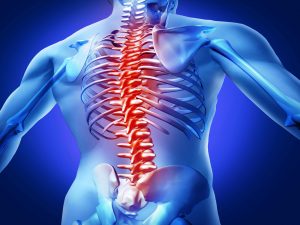
Patient, in supine position, with decerebrate posture, presents with head and neck arched backwards or extended. Arm and legs are extended by the sides of the body. Feet are rotated internally with toes pointing downwards. External rotation of hands is seen. There is extension of arms at the elbows. The muscles are tightened and rigid. Teeth are clenched.
Investigation
Medical history by the patient and clinical examination by the doctor helps in diagnosis. CT, MRI of brain is required. EEG may be done. Blood and urine examination is done. Cerebral angiography may be advised. Intracranial pressure monitoring may be required.
Treatment
Treatment depends upon the underlying cause which needs to be investigated and treated. This condition is a medical emergency and the patient should be rushed to hospital as soon as possible.