Causes and risk factors
DiGeorge syndrome is caused due to abnormality in chromosome number 22. It is also called as 22q11.2 deletion syndrome. A foetus receives a copy of chromosome form each parent. In DiGeorge syndrome one part of this chromosome 22 is missing. This missing part is 22q11.2
Clinical presentation
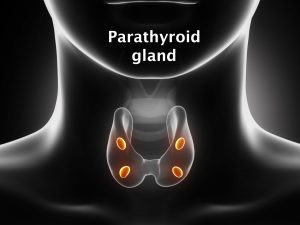
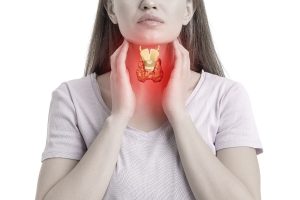
Some of the Signs and symptoms may be present at birth but may disappear during late childhood. Heart defects such as Tetralogy of fallot [the term consists of four defects in the heart of the new born namely, a large ventricular septal defect [VSD], pulmonary valve stenosis, right ventricular hypertrophy, and an overriding aorta] is common in DiGeorge syndrome. This causes cyanosis, breathing problems, difficult feeding, failure to gain weight. Other congenital defects include club foot, cleft palate. Autoimmune diseases like rheumatoid arthritis, grave’s disease are observed. Patient is prone to recurrent infections such as oral thrush, pneumonia. Skeletal problems such as poor muscle tone, muscle twitching at mouth, hands is observed. There are endocrine problems such as hormonal imbalances due to conditions like hypothyroidism, hypoparathyroidism. Blood abnormalities include low levels of calcium in blood, low platelet count etc. Other facial features like cleft palate, narrow groove in upper lip, low set ears, wide set eyes. Features such as nasal voice, dysphagia, glue ear are seen. Patient may have structural defects eye problems such as childhood cataract, hearing impairment or kidney problems [absence of a kidney]. There can also be developmental problems like developmental delays such as, delayed speech, delayed walking, behavioural problems, hearing disability and learning difficulties. Mental symptoms such as schizophrenia, depression can be seen in some patients.
Investigation
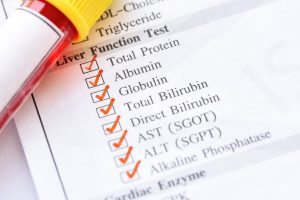
Medical history by the patient and Clinical examination by the doctor helps in diagnosis. The test depends upon the presenting symptoms. The patient is referred to the superspecialist accordingly. Several blood tests are required to be done. Genetic testing is recommended. Imaging studies such as X ray, USG, CT scan, and MRI may be useful for the evaluation of associated abnormalities. Eye examination, Audiometry is advised. Psychological evaluation is also needed in some patients.
Treatment
Treatment depends upon the presenting symptoms. Supportive care and symptomatic treatment is given to prevent further complications. Surgery is needed for repairing heart defect, cleft palate repair etc. Oxygen supplement may be required in case of breathing difficulties. Medicines such as analgesics for skeletal problems, antibiotics in case of infections. Hormone replacement therapy is needed in case of endocrine problems. Adaptive devices for hearing problems, vision problems, structural defects, and club foot are useful. Special education is required for slow learner children, and those who are visually and hearing impaired. Physiotherapy, speech therapy, psychotherapy will also be of help in managing the disease.
Other Modes of treatment
The other modes of treatment can also be effective in treating DiGeorge syndrome. Homoeopathy is a science which deals with individualization considers a person in a holistic way. This science can be helpful in combating the symptoms. Similarly the ayurvedic system of medicine which uses herbal medicines and synthetic derivates are also found to be effective in treating DiGeorge syndrome.