
Causes and risk factors
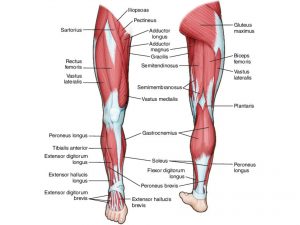
A variety of causes can lead to equinus. This condition is commonly seen in athletes and in growing children along with overweight people. Tightness of calf muscles or Achilles tendon is the major contributing factor for equinus. This tightness can either be caused due to certain congenital problems or can be acquired. Use of crutches for a prolonged period, application of cast for long along with wearing high heel shoes are the major causes of tightness of muscles of the calves. Diabetes mellitus also contributes to the weakening of fibers along with tightness of muscles. Broken bone of ankle joint, short leg syndrome, and spasm in calf muscles are some of the other common causes. Studies have shown an association of a variety of musculoskeletal disorders with equinus; a few among them are tendonitis, shin splints, hammer toe, plantar fasciitis, bunions, etc.
Clinical presentation:
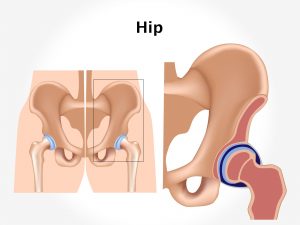
The complaints develop gradually and can affect either one foot or both feet. Pain is the main feature seen. It is felt at the foot, heel, or in the lower leg. Standing and walking aggravates the pain. As movement of ankle initiates pain and the movement of ankle is restricted, the patient tries to compensate the same by picking up the foot earlier while walking or by flattening the arch or by walking on toe. Some people walk by bending at the hip or ankle joint. This compensation can further lead to certain complaints of back and lower extremities.
Investigations:
Diagnosis is done on the basis of the symptoms narrated by the patient. A local examination is carried out. Certain tests are conducted by a surgeon in order to confirm the condition. A neurological evaluation along with x-ray of the affected foot can also be advised.
Treatment:
The treatment plan consists of administration of medications like pain relievers for allaying the pain. Treating the associated disease is must. Modifications in shoes, like use of moderate heel shoes or use of heel lifts to reduce the stress in muscles and tendons of calf, use of orthodontic devices for equal distribution of weight along with night splints are advised. In cases where the conservative mode fails to relieve or improve the complaint, surgery is needed.
Other Modes of treatment:
Certain yoga exercises or physical exercises under a trained physiotherapist will help to strengthen the muscles and improve the flexibility.
When to contact a doctor:
Seek an advice from an orthopedic doctor if one experiences complaint of pain or difficulty in walking or standing.
System Involved: Musculoskeletal system
Organ involved: foot, ankle, phalanges, bones, muscles, nerves