
Causes and risk factors
Eye herpes is caused due to herpes simplex virus. There are two types herpes simplex virus – type I and type II. This infection is caused due to type I virus. This infection is caused due to contact with secretion of lesion of the contaminated person. Self-contamination of the lesions present on lips to the eyes can occur. Certain other factors like dental surgery or other surgeries, fever, sunburn, or stress are contributing factors. Immunocompromised person is at higher risk of getting the infection.
Clinical presentation
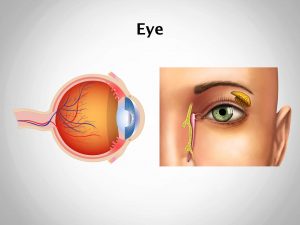
The herpes simplex infection enters the body through nose, mouth, and travel into the nerves. The infection remains dormant for years and is triggered by certain factors. The infection can range from a simple to severe one. One or both the eyes can be affected. The patient usually comes up with complaints of irritation of eyes along with redness, swelling, and watering of eyes. There is often a sensation as if some foreign body is lodged inside the body. The patient becomes sensitive to light. There are several forms of eye herpes. These include herpes keratitis, iridocyclitis, stromal keratitis and herpes retinitis. In herpes keratitis, the cornea is infected; however, only the epithelium layer is affected. The lesion heals without scarring. This is the most commonly found type. The deeper layers of cornea are commonly affected. Corneal scarring occurs, resulting in blindness. In iridocyclitis, the iris is commonly affected along with the surrounding tissues. Herpes retinitis is another condition which is characterized by affection of retina.
Investigations
The diagnosis is done on the basis of the symptoms narrated by the patient and physical examination carried out by the ophthalmologist. The eye is examined through a slit lamp microscope. Along with this, fluorescein dye test can be done. The deeper layers of eyes are examined through the ophthalmoscope. Routine and specialized blood tests along with cultures are done.
Treatment
The treatment consists of administration of medications. In case of superficial layer being affected, the antiviral eye drops or ointments are prescribed. Oral antibiotics are also given. For deeper layer’s affection, topical steroids are administered.
Other modes of treatment
Certain other modes of treatment can also be helpful in coping up with the symptoms. Taking into consideration the symptoms in a holistic way, homoeopathy can offer a good aid for the relief of the symptoms. The Ayurvedic system of medicine which uses herbs and synthetic derivates can also be beneficial in combating the complaints.