Causes and risk factors:
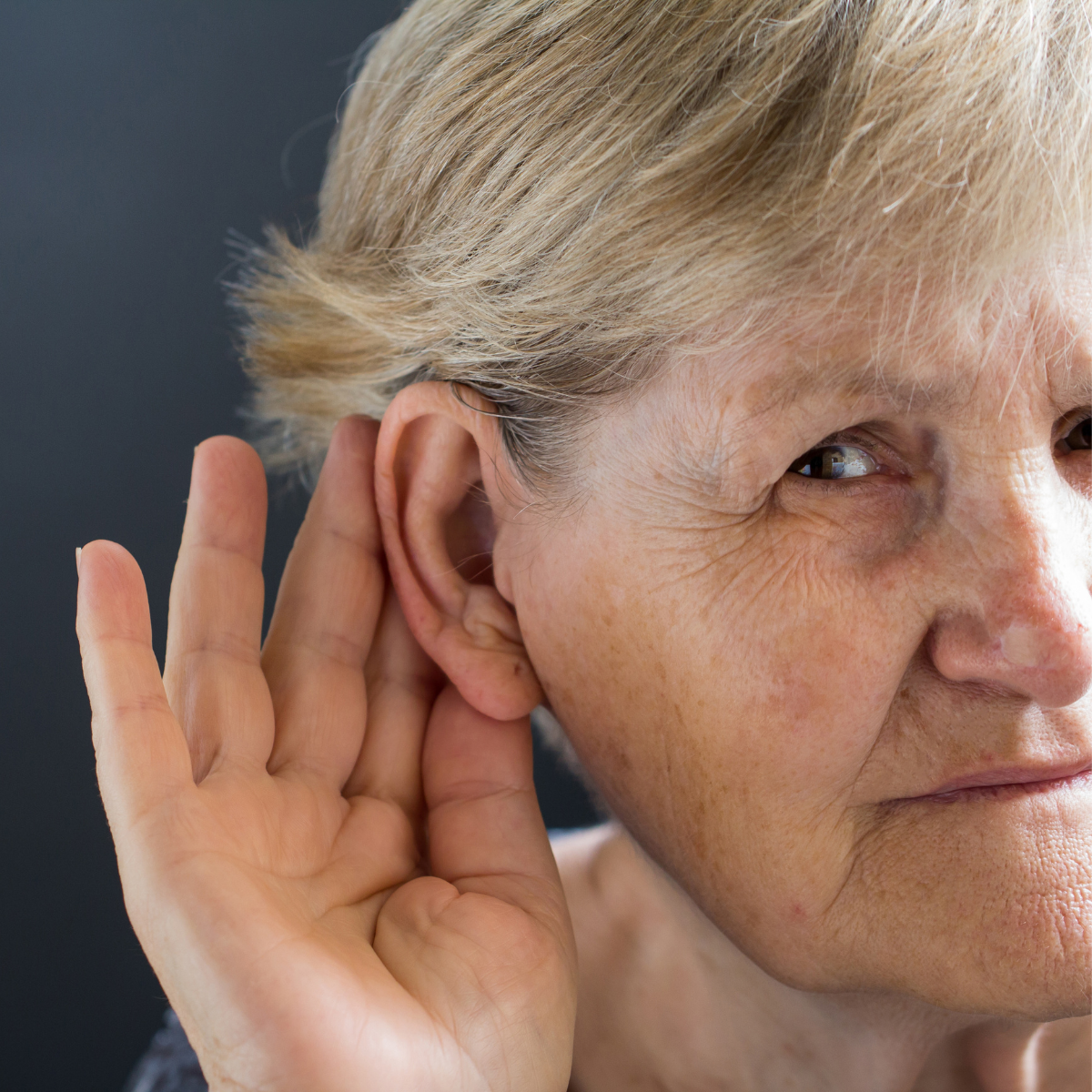
The cause for hearing loss is of three type’s conductive, sensorineural or mixed type. The conductive loss is due to pathology in outer or middle ear. The sensorineural loss is due to defect in the internal ear or cochlea which sends sound impulses through the nerves to the brain. With advancement in age there occurs progressive hearing loss for sound of high frequencies. Hearing loss can also be inherited. Exposure to loud noise is the most common cause of hearing loss. Hence people living near airports and freeways are more susceptible for hearing loss. Hearing loss can also be caused due to certain illness like mumps, measles, meningitis, damage to the inner ear, infection of the middle or inner ear. Poking of ear with the help of sharp pointed objects can cause damage to inner ear. Use of certain medications and toxic substances (e.g.: lead, toluene) and excessive accumulation of wax in ear also induces hearing loss.
Clinical presentations:
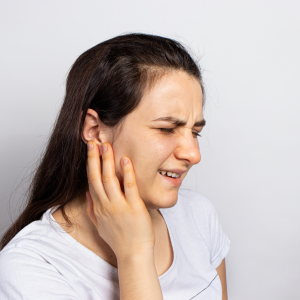
Hearing loss can be mild or patient can complain of complete inability to hear. The patient often comes up with complaints of difficulty in understanding words or difficult hearing especially in crowd or against background noise. They often request the other person to talk loudly or turn on the volume high of television or music. Sounds seem to be muffled. People with hearing impairments find difficulty in conversation. Later these people tend to avoid social gatherings.
Diagnosis and investigations:
The history and symptoms given by the patient will help the doctor to come up to the diagnosis. An ENT specialist will conduct an examination of the ear. A tuning fork test is carried out. An audiometery test to determine the type of hearing loss is advised.
Treatment:
Treatment depends upon the cause and severity of hearing loss .If there persist any underlying cause it needs to be corrected. Wax removal under aseptic precaution is advised. Antibiotics are advised for any kind of infection. Hearing loss induced by repeated infection or damage to the inner ear needs to be corrected by surgical intervention. Use of hearing aids is the advised mode of treatment. Cochlear implants are found to be beneficial in severe cases. Use of ear plugs in industrial areas to protect from exposure to loud noises is necessary.
Recent update:
According to the researchers at Brigham and Women’s Hospital, studies have revealed that in women, eating two or more servings of fish per week is associated with a reduced risk of hearing loss. Vitamin A supplementation in childhood may reduce the risk of hearing loss in adolescence and early adulthood, suggests a study.