
Causes and risk factors
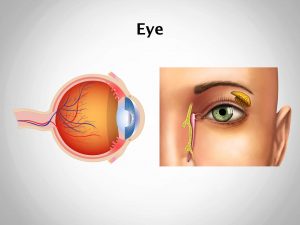
Infection is one of the most common causes of inflammation of the cornea. The infection can be caused either due to bacteria, fungi or viruses. Among the bacteria staphylococci, streptococci and pseudomonas is the most common causative organisms. Herpes zoster and herpes simplex virus are the viruses which commonly lead to keratitis. Among the fungi the most common are Candida, Nocardia and aspergillus. Among all the infection keratits due to viral infection is commonly seen. Injury to the eye either due to severe blow or during accidents also contribute to the causation. Any chemical injury while working in industries, excessive exposure to ultraviolet radiation along with allergies to pollens can also lead to keratitis.Use of contact lens for prolong duration is also one of the contributing factors. Certain autoimmune diseases can also lead to inflammation or irritation of the cornea. (Limbic keratitis)
Clinical presentation:
There are different types of keratitis. They are classified depending upon the causation as Bacterial, viral and Fungal. Depending upon the severity of complaints they are classified as mild, moderate and severe. Depending upon the duration of complaints they are classified as acute and chronic. The inflammation can either be restricted to the epithelial layer of the cornea (superficial keratitis) or it can involve the deeper layers of the cornea (stromal keratitis). The complaints can affect either one eye or both the eyes. The effect can be of short duration occurring once or twice or the complaints can be long lasting hampering the vision ultimately. An individual with keratitis can complain of pain in eyes, Continuous watering of eyes and increase sensitivity to light. There is sensation as if some foreign body is been logged inside the eyes. The eyes become typically red and vision becomes blurred. Keratitis can lead to corneal scarring, ulceration or even blindness.
Investigations:
Diagnosis is done of the basis of the symptoms narrated by the patient and the examination carried out by the ophthalmologist. Penlight lamp and slit lamp instruments are used for examining the eyes. Corneal cultures and in certain severe cases biopsies is needed. Certain other investigations like Routine blood test, urine routine, blood sugar levels etc can also be advised.
Treatment:
The treatment plan depends upon the cause. In cases of infection antibacterial, antiviral or anti fungal medications are given. If any foreign particle is logged inside the eye it needs to be removed. They are either given orally or through eye drops. In severe cases steroids or surgical intervention is opted. Corneal transplantation is recommended.
Other Modes of treatment:
Certain other modes of treatment can also be helpful in coping up the disease. Taking into consideration the symptoms in holistic way, homoeopathy can offer a good aid for the relief of the symptoms. The Ayurvedic system of medicine which uses herbs and synthetic derivates can also be beneficial in combating the complaints.