
Causes and risk factors
Keratomalacia is caused due to deficiency of vitamin A. The condition can be as a result of dietary deficiency or metabolic deficiency of vitamin A. It is a result of malnutrition among children in developing or poor countries, but keratomalacia can also occur in developed countries – due to poor absorption, storage, and transport of vitamin A. Conditions that hamper vitamin A absorption include celiac disease, ulcerative colitis, cystic fibrosis, liver disease, and intestinal surgery. Protein energy malnutrition, poor socioeconomic strata, starvation, alcoholism, eating disorder, deficiency from mother to fetus, and old age are additional risk factors for keratomalacia.
Clinical presentation
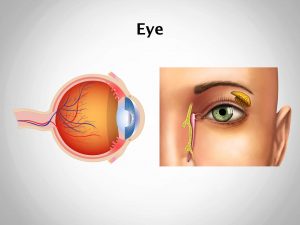
Vitamin A is responsible for maintaining normal vision and proper growth and development of bones, skin, and mucous membranes. Patients of keratomalacia present with diminished vision at night or in darkness [night blindness]. There is dryness of the eye. Patient complaints of increased cloudiness, wrinkling, and softening of cornea. In advanced cases, there can be foamy, silver grey deposits on membranes covering the sclera called as ‘Bitot’s spots’. If the condition is left untreated, it may lead to progressive softening of the cornea, leading to rupture or perforation. Ulceration and necrosis of cornea occurs, ultimately causing blindness.
Investigation
Medical history by the patient and clinical examination by the ophthalmologist helps in diagnosis. Routine ophthalmic examination is done. Visual field testing is recommended. Routine blood test is advised. Blood tests should be conducted to determine the levels of vitamin A.
Treatment
Treatment involves oral supplements of vitamin A. Antibiotic eye drops and ointments may be required. Surgical treatments such as grafting, keratoplasty, though available, are less effective in treating the condition. A diet rich in vitamin A such as cod liver oil, green leafy vegetables, lettuce, dried basil, peas, dried apricots, sweet potato, carrots, tomatoes; fruits like papaya, mango, and peaches are useful in treatment of the disease.
Other Modes of treatment
The other modes of treatment can also be effective in treating keratomalacia. Homoeopathy is a science which deals with individualization and considers a person in a holistic way. This science can be helpful in combating the symptoms. Similarly, the Ayurvedic system of medicine which uses herbal medicines and synthetic derivates is also found to be effective in treating keratomalacia.
Facts and figures
Keratomalacia is a leading cause of childhood blindness in the world according to WHO statistics. It is estimated that around 5,00,000 children worldwide go blind every year and 70% of those are due to vitamin A deficiency.