
Causes and risk factors
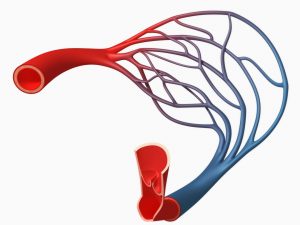
Pincer nails is a nail condition which can be hereditary; however, the exact mechanism of inheritance is not clear. A variety of systemic diseases can lead to this condition. The common ones are diabetes mellitus, malignant condition of sigmoid colon, malnutrition, etc. psoriasis, and tinea unguium infection. Tumors of the nail apparatus also contribute towards the causation. Case studies have also shown that replacement of AV fistula have also resulted in pincer nails. In infants, Kawasaki disease is one of the common causative factors which affect the digits of the hands. Pincer nails are a common complication of degenerative arthritis. Improper nail care along with improper fitting shoes can lead to the nails being affected.
Clinical presentation:
Pincer nails are classified into three types: Trumpet nail deformity, tile-shaped nail, and plicated nail. Trumpet nail deformity is commonly seen. Over-curvature of the nails is from proximal to distal ends in a trumpet nail deformity, while transverse over-curvature is seen in tile shaped nail. In plicated nail, moderate convexity occurs.
Although both the finger and toenails can be affected, the toenails are the most common ones to be involved. Among them, the big toe is more commonly affected. The complaints are seen as symmetrical in cases of hereditary pincer nails and asymmetrical in cases of acquired ones. The characteristic feature of pincer nail is the curved shaped appearance of the nails. The nails become C shaped. The ends of the nails are pushed into the skin. Both sides of the nails are affected. The C-shaped curvature is seen from proximal to distal end. The person complains of sensation as if something is being caught under the nail. Along with this, the nails become brittle and cause discomfort and pain. The surrounding area becomes red. Tenderness is present. This all can lead to infection and inflammation. The dull appearance of the nails hampers the cosmetic appearance too.
Investigations
The diagnosis is done on the basis of symptoms narrated by the patient and physical examination carried out by the dermatologist. History too is taken into consideration. Dermoscopic examination of the nails is the diagnostic investigation. Certain other investigations can also be advised in case there exists any underlying cause.
Treatment
As pincer nails can be caused due to underlying diseases, treating the underlying cause is the main line of treatment. In order to help the nails grow, conservative method of corrective filing can be done. In severely affected cases, surgical intervention is required. It comprises of adoption of a V-cut technique which will help reduce the arch of the nail. Along with this, proper nail care is a must.
Other modes of treatment:
Certain other modes of treatment can also be helpful in coping up with the disease. Taking into consideration the symptoms in a holistic way, homoeopathy can offer a good aid for the relief of the symptoms. The Ayurvedic system of medicine which uses herbs and synthetic derivates can also be beneficial in combating the complaints.