Causative & risk factors
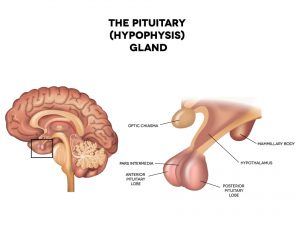
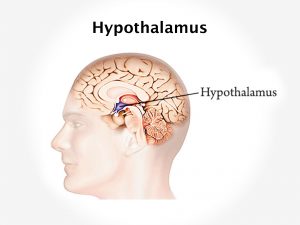
Prader-Willi syndrome is a genetic disorder caused by a problem with chromosome 15. This chromosomal defect hampers the functioning of the hypothalamus, which in turn leads to problems with the hunger sensation, growth and sexual development.
Clinical presentation
The hunger response of children with Prader-Willi syndrome becomes defective; hence they feel constantly hungry and tend to overeat. This causes an alarming weight gain in these children. Even though they gain plenty of weight, their growth is poor. They tend to have a short stature and low muscle tone. Their sexual organs remain underdeveloped and hence they may suffer from infertility later.
Intellectual faculties such as thinking, judgment, learning etc. are hampered. Their speech and motor development is also delayed. These individuals usually have behavioral problems such as anger, stubbornness and manipulation. Individuals with Prader-Willi syndrome are prone to develop myopia, sleep disorders, scoliosis and endocrine problems.
Investigations
Prader-Willi syndrome can be suspected on the basis of the presence of the characteristic physical and mental symptoms. The diagnosis can be confirmed on the basis of genetic testing of the patient’s blood sample.
Treatment
Being a genetic disorder, Prader-Willi syndrome cannot be cured. The symptoms can be managed with a team of health-care professionals.
A special nutrition plan must be developed for the child in order to ensure adequate growth and prevent unnecessary weight gain. Supplementation with growth hormone and other hormones like estrogen, progesterone or testosterone is essential. Regular sessions with a mental health professional are essential to manage the emotional and intellectual disabilities.
All other complications such as sleep disturbances, undescended testicles, infertility, scoliosis, myopia need proper treatment.