Causative & risk factors
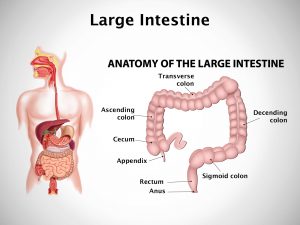
Sexually transmitted diseases (STDs) such as gonorrhea, syphilis, herpes, anal warts, and Chlamydia can lead to proctitis. It can also be caused by Crohn’s disease, ulcerative colitis and other diseases of the large intestine. Food borne infections, such as salmonella, shigella etc. may also be responsible. Insertion of foreign objects in the rectum, trauma or contact with harmful physical or chemical agents can cause proctitis. Intake of antibiotics and radiation therapy in the pelvic area are also known causative agents of proctitis. It is also likely to occur in breast-fed children and in children who have strep throat.
Clinical presentation
Proctitis produces a sensation of incomplete evacuation from the bowel and a frequent urge to pass stool. The bowel movement becomes painful. There is a sensation of fullness in the rectum. The anal and rectal are becomes sore. There is discharge of mucus or blood from the rectum. Diarrhea or occasionally constipation may be present.
Investigations
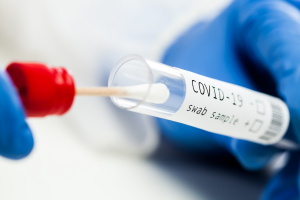
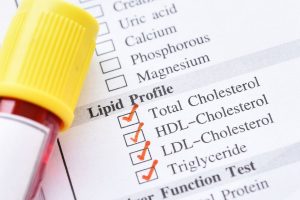
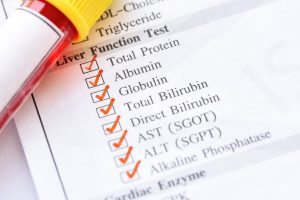
Blood tests and stool examination are carried out to detect any infective cause. A flexible sigmoidoscopy is carried out to examine the rectum and carry out biopsy if required. In case of discharge, an anal swab is taken to identify the responsible organism.
Treatment
In case of infection, antibiotic or antiviral drugs are prescribed. Painkillers and anti-inflammatory drugs are given. If an underlying cause is found, treatment for the same is begun. A Sitz bath is recommended to obtain relief from pain and soreness.