Causative & risk factors
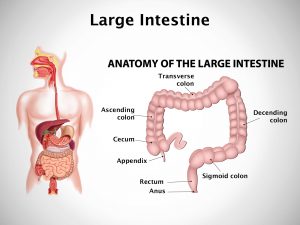
Normally the colon consists of both healthy as well as harmful bacteria. The harmful bacteria are kept in check by the healthy bacteria, so that they do not produce any harm. However when a person is subjected to frequent antibiotics, the number of healthy bacteria considerably reduces and the harmful bacteria (usually C. difficile) start releasing toxins that lead to irritation and inflammation of the colon.
Even though it is virtually possible for any antibiotic to produce diarrhea, the frequently responsible ones include quinolones and penicillins. Apart from antibiotics, other drugs especially chemo-therapeutic drugs can also lead to pseudomembranous coloitis.
Elderly people and those with a weak immune system are more likely to develop this condition. Other risk factors include prolonged stay in a hospital, undergoing intestinal surgery or suffering from other diseases of the colon.
Clinical presentation
The patient will usually have a history of antibiotic therapy started about a week prior to developing symptoms. The patient may experience mild to severe diarrhea along with abdominal cramps. In severe cases, the patient may present with fever, rigors and passage of blood in stools. The patient may land in septicaemia.
Untreated or severe PMC can give rise to complications such as electrolyte imbalances, perforation of the colon, toxic megacolon or even acute kidney failure.
Investigations
A complete blood count will usually reveal a high leukocyte count. A stool examination is performed to check for presence of bacteria. Other blood tests may be carried out to check the renal function and the blood electrolyte levels. Endoscopic procedures such as sigmoidoscopy or colonoscopy are performed to look for morphological changes. Imaging tests such as X-rays or CT scan of the abdomen can be suggested.
Treatment
The antibiotic thought to be responsible for this condition is stopped immediately. Many patients will start showing improvement once this is done. Sometimes another antibiotic may be prescribed to fight the Clostridium difficile bacterium. Probiotic supplements are prescribed to restore the balance of healthy bacteria in the colon. Patients who have developed severe complications may need surgical intervention.
Recent updates
A new therapy known as ‘Fecal replacement therapy’ is being tried in patients at some clinics with pseudomembranous colitis. In this therapy, the stool of a close relative of the patient is collected, homogenized and then inserted into the patient’s colon. This process helps to restore the balance of healthy bacteria in the colon.