Causative & risk factors
Pseudotumor cerebri is frequently associated with obesity, especially in women. It has also been linked with certain forms of medications such as vitamin A and growth hormone. Some association has been noted between pseudotumor cerebri and other diseases like SLE, Addison’s disease, sleep apnea, PCOS and anemia.
Clinical presentation
Although this condition can affect both the genders and all ages, the typical patient profile is that of an over-weight woman in the reproductive age group. Pseudotumor cerebri gives rise to symptoms of raised intracranial pressure. The patient experiences pain behind his eyes which aggravates on any eye movement. The vision may become blurred and the patient experiences episodes of temporary blindness. He/she may see flashes of light and have double vision. The patient may experience a ringing sound in the eyes which is synchronized with the heartbeat (pulsatile tinnitus). Other symptoms include pain in the neck or back, nausea or vomiting.
Investigations
An eye exam will be carried out by the physician, which reveals papilledema (swollen optic nerve). A spinal tap can be carried out to analyze the cerebrospinal fluid (CSF). A CT or MRI scan of the brain may be carried out to eliminate other brain diseases.
Treatment
Obese patients must lose weight in order to reduce the symptoms produced by raised intracranial pressure.
Painkillers, diuretics and anti-glaucoma medications are prescribed.
Severe cases need surgical intervention. Two commonly done procedures are:
Optic nerve sheath fenestration – An incision is made in the membrane that surrounds the optic nerve, so that the excess CSF can escape.
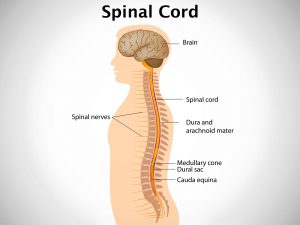
Spinal fluid shunt – The excess CSF is drained by means of a shunt placed in the brain or lower part of the spine.