
Causes and risk factors
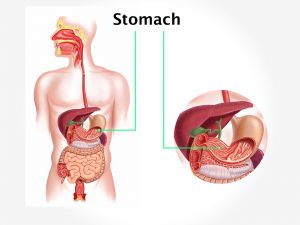
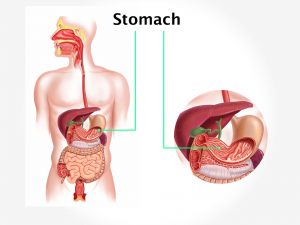
The exact cause for pyloric stenosis is not known. But it is believed that genetic factors have some role in its development. Thickening of the muscle of pylorus causes narrowing of pyloric opening. It is called stenosis. This prevents food from stomach to enter into the intestine. It occurs in infants below 6 months of age. It is common in boys than in girls.
Clinical presentation
The baby presents with forceful, projectile vomiting. Patient feels hungry soon after vomiting. Dehydration is evident as there is crying without tears and reduced use of diapers. Reduced bowel movement, constipation is also observed, enlargement of belly. Weight loss, lethargy is also seen.
Investigation
Medical history by the patient and Clinical examination by the doctor helps in diagnosis. Enlarged pyloric muscle which is felt like olive shaped lump may be seen during physical examination. Also signs of dehydration like dry tears, dry diapers will lead to further investigations. Routine Blood test, serum electrolytes is recommended. Imaging studies such as USG abdomen, barium X ray may be useful for further evaluation.
Treatment
Pyloric stenosis is treated with a surgical procedure called as pyloromyotomy. In this procedure the thick muscle is cut thus opening the narrowing and allowing food to pass through the small intestine. Supportive care is given to correct dehydration and ensuing nutrition through intravenous fluid administration. Medicines such as muscle relaxants can also be recommended in children who can’t go for surgery.