
Causative & risk factors
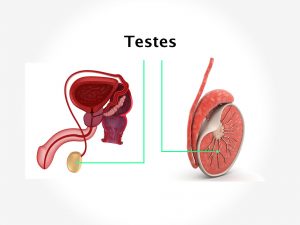
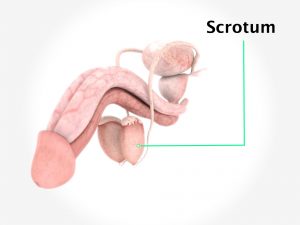
The testes are suspended into the scrotum by the cremaster muscle. Contraction of the cremaster muscle pulls the testes into the scrotum, whereas its relaxation brings the testicles back into the scrotum. A strong cremaster reflex causes a retractile testicle.
The cremasteric muscle reflex is at its peak between the ages of 5 and 6 years.
Clinical presentation
Either one or both the testes may be affected by this condition.
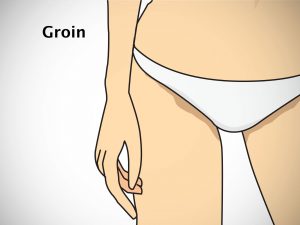
Retractile testicles can go back and forth between the groin and the scrotum spontaneously as well as manually. The movement of the testicles between these 2 locations does not produce any discomfort or pain.
Investigations
A retractile testicle can be diagnosed by undergoing a physical examination by the physician. A retractile testicle must be differentiated from an undescended or ascending testicle.
A retractile testicle can be manually guided back into the scrotum, while an ascending testicle cannot. An undescended testicle is the one which has never ever descended into the scrotum.
Treatment
Young children with retractile testicles are regularly monitored by the physician. Surgery must be carried out in boys once they reach puberty or if the condition progresses to an ascending testicle.
Surgical repair of this condition (orchiopexy) involves placing the testicle in its normal position and securing it with sutures.
Sometimes injections of human chorionic gonadotropin may be adequate to bring a retractile testicle back into its normal position.