Causes and risk factors
Sexually transmitted diseases are caused due to various infective organisms like viruses and bacteria. As per WHO there are more than 30 sexually transmissible organisms. Among viruses the most common causative agents are human papilloma virus (HPV) hepatitis B and herpes complex. While those in bacteria the common ones are syphilis, gonorrhea and Chlamydia. The infection is transmitted from an infected person to another person during sexual intimacy. Not only by vaginal, anal or oral sex causes spread of this infection, but the infection can also spread due to close contact with the infected area f skin or sore. Sex workers, drug abusers and those involved in multiple sex partners are at high risk. Unprotected sex also increases the risk for developing STD.
Clinical features
The presentation of the symptoms vary as per the type of infection. Abnormal discharges from penis and vagina are seen. Patient experiences pain around the external genital organs or around the anus. The pain is aggravated while urinating or during intercourse Burning or dull aching pain occurs. It is continuous causing interference in the daily routine, sexual activity and sleep of the patient. The affected genital area becomes red in color and sore, Formation of blisters or chancres occurs. Fever, malaise, general weakness etc are the other associated symptoms. Some diseases like HIV detoriate the person in the long run causing recurrent infection, weakness, weightless, night sweats etc.
Investigations
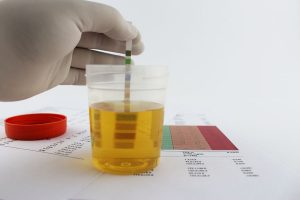
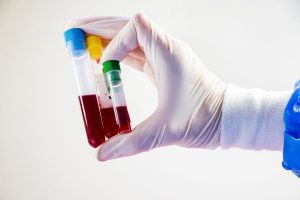
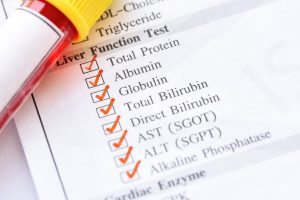
The diagnosis is usually done on the basis of the symptoms narrated by the patient and local examination of the genital organs carried out by doctor. Culture examination and routine blood test along with specialized blood test and urine test help in diagnosis. Certain other investigations can also be advised.
Treatment
The treatment varies as per the infection. Viral infections usually resolve on its own. However they can be managed and not cured. Both the partners need to be treated. The treatment plan consists of administration of medications like antiviral or antibacterial drugs. As it is very well said prevention is the best medicine. One needs to adopt certain preventive measures like avoidance of sexual intimacy with multiple partners, using protection during sexual intimacy. Avoid intercourse during active infection. One should undergo regular screening.
Other modes of treatment:
Certain other modes of treatment can also be helpful in coping up the symptom. Taking into consideration the symptoms in holistic way, homoeopathy can offer a good aid for the relief of the symptoms. The Ayurvedic system of medicine which uses herbs and synthetic derivates can also be beneficial in combating the complaints.
Recent update:
As per the analysis carried out by the University of Washington Children who grow up in well-managed households, enjoy school, and have friends who stay out of trouble report fewer sexually transmitted diseases in young adulthood.