Causes and risk factors
The exact cause of cancer is not known. The melanocytes undergo an uncontrolled and abnormal proliferation. Genetic predisposition is one of the major causes. Hereditary plays a major role. Exposure to ultraviolet radiation leading to sunburn also triggers cancerous condition of the skin. Atypical moles can be precursor of melanoma, the more the number of melanomas the greater is the risk of developing cancer. People with weak immune system (e.g.: suffering from HIV) are more prone for skin cancer.
Clinical presentation
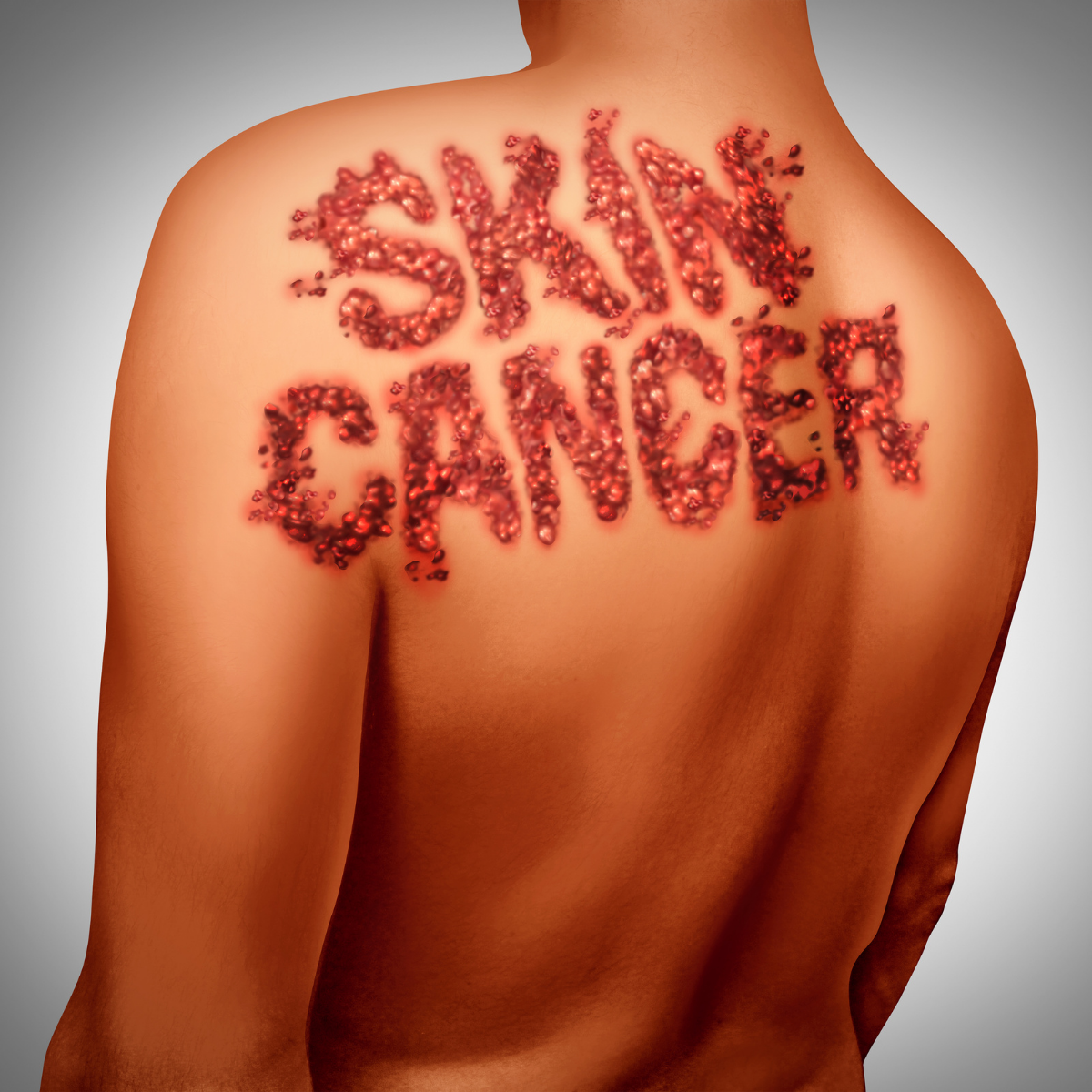
There are different types of skin cancers-Melanoma,Basal cell cancer,Squamous cell cancer, Keratocanthoma, Merkel cell carcinoma,Kaposi’s sarcoma and Dermatofibrosarcoma. Among all the above, the first three are the most commonly found skin cancers. .Basal cell carcinoma and squamous cell carcinoma are called as nonmelanoma skin cancer..Basal cell carcinoma is the most common type of skin cancer. However death due to basal cell carcinoma is rare. They can be easily treated.
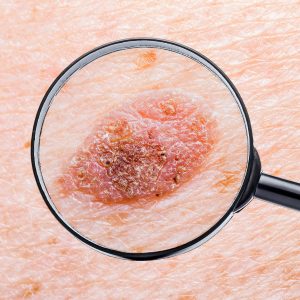
Melanoma cancer causes death as the metastasis is fast. Commonly affected sites for skin cancer are face, lips, ears, head, neck and shoulder. An individual with skin cancer comes with complaints of shiny pearly like appearance of the skin, red patches are seen which are seen, thickening of skin which gives a scar like appearance, or hard plaque formation or papule occurs. Moles are seen which changes color and size, these moles can later lead to itching, bleeding or ulceration. Ulcer formation occurs.
Investigations
Diagnosis is done on the basis of symptoms narrated by the patient and the examination carried out by the dermatologist. Head to toe examination is carried out. Biopsy is the diagnostic test for skin cancer. Certain other investigations like routine blood test and sentinel node biopsy can be done. X-rays, CT scans, MRIs, PET and PET/CTs, ultrasound, LDH testing and photo acoustic detection are other test indicated.
Treatment:
If detected and treated in early cases melanoma is always curable. Surgical excision of the melanomas is the first line of treatment. Mohs micrographic surgery is the effective surgical treatment adopted recently. After surgical intervention radiation therapy is used. Various chemotherapy and immunotherapy agents are administered. Avoid tanning and over use of tanning beds, Measures should be adopted to prevent excess exposure to UV rays. E.g.: use of long sleeved clothes, sunglasses. Apply sunscreen 30 min prior moving out.
Recent updates:
Research study conducted by investigators in the Ronald O. Perelman Department of Dermatology at NYU Langone Medical Center have put forth that Fashion trends and socioeconomic factors played a major role in the rise of melanoma cases over the past century.