
Causative & risk factors
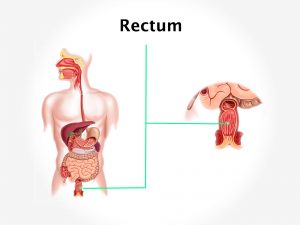
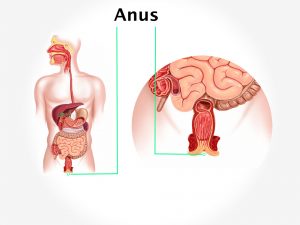
Any scenario that can cause trauma to the rectum can result in a solitary rectal ulcer. Causes include constipation, anal intercourse, prolapsed of the rectum or radiation treatment near the rectal area.
Clinical presentation
A rectal ulcer and constipation usually form a vicious cycle where any 1 can precede the other. The patient may feel pain or discomfort in the pelvis. He may have to strain during bowel movements and experience passage of mucus or blood from the rectum. Even after evacuating stools, he may feel a sensation of incomplete evacuation of the bowels. He may develop fecal incontinence.
Some patients may remain asymptomatic in spite of suffering from solitary rectal ulcer syndrome.
Investigations
An endoscopic examination of the rectum is performed and a biopsy sample may be taken.
Imaging tests such as an ultrasound may be performed.
The physician may suggest a ‘Defecation proctography’. In this procedure, a barium paste is inserted into the rectum and X-rays are taken.
Treatment
Many people with solitary rectal ulcer syndrome can improve with lifestyle changes. The patient is advised to consume plenty of fiber rich food and drink lots of fluids through the day. He must be taught not to strain at stools.
Certain medications like enemas, steroids or botox injections can help some patients.
In patients with rectal prolapsed, surgical intervention may be necessary.