Causes and risk factors
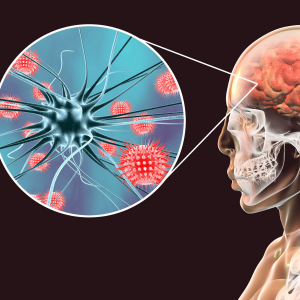
Brain injury due to accidents is the major cause of temporal lobe seizures. Certain infections of the brain like meningitis and encephalitis also contribute to the causation. Stroke, malignancy and disorders of the blood vessels like cavernous angioma are the other contributing factor. Temporal lobe seizure is also caused due to certain idiopathic causes.
Clinical presentation
Depending upon the EEG there are two types of seizures – complex partial seizures and simple partial seizures. Symptoms vary as per the type of seizures. A person suffering from complex partial seizures suffers from continuous movement of the hands and legs. Altered consciousness is seen. Eye becomes starry and abnormal behavior and speech is seen. The interaction is also impaired. Partial or total loss of memory, abnormality in vision, hearing and smelling occurs. Changes at the mental levels are also seen. A person with simple partial seizures comes with the above mentioned complaints. The seizures occurring are often preceded by some warning signs of symptoms which are known as auras. An individual can suffer from different types of auras like hallucination about a bad taste in the mouth, or the person smells something bad. Hallucination about voices can also be experienced by the patient. Repeated attacks of seizures can lead to complications like shrinkage in the hippocampus which can affect learning and memory, alteration is the hormonal levels and depression.
Investigations
Diagnosis is done on the basis of the symptoms narrated by the patient and the examination carried out by the doctor. Certain investigations help in confirming the diagnosis. Various scans of the brain, electroencephalogram and single photon emission computed tomography are diagnostic.
Treatment
Medication consists of administration of antiepileptic medicines .Cases which do not respond well to the conservative line of treatment are treated surgically. Surgical intervention consists of temporal lobectomy, vagus nerve stimulation and responsive neurostimulation.
Other modes of treatment:
Certain other modes of treatment can also be helpful in coping up the symptom. Taking into consideration the symptoms in holistic way, homoeopathy can offer a good aid for the relief of the symptoms. The Ayurvedic system of medicine which uses herbs and synthetic derivates can also be beneficial in combating the complaints.