Causative & risk factors
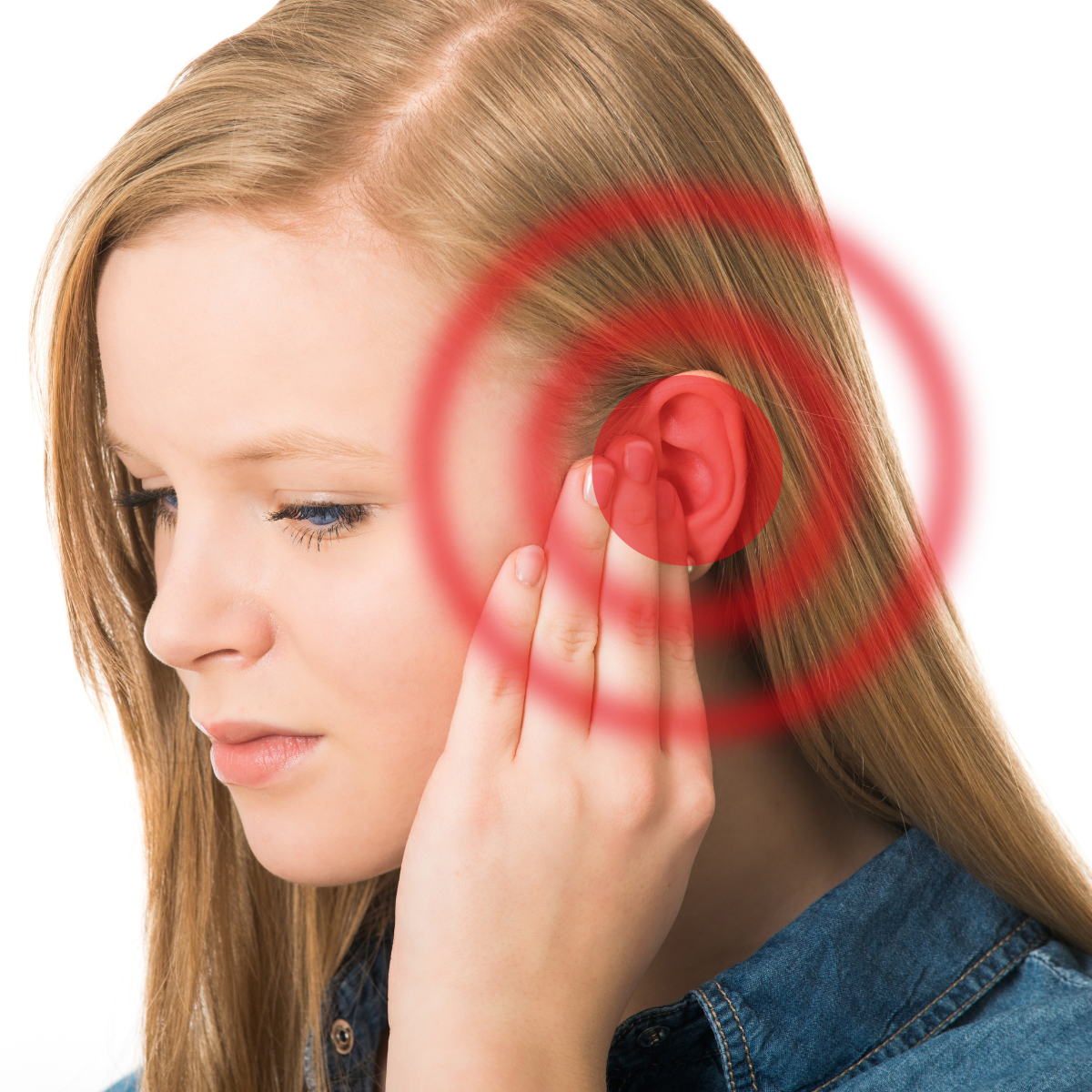
Any condition that causes damage to the inner ear can lead to tinnitus. Tinnitus can also result as a natural effect of ageing. Other causes of tinnitus include middle ear infections (otitis media), otosclerosis and build up of ear wax. Exposure to a sudden loud noise, Meniere’s disease and a perforated eardrum are other causes of tinnitus.
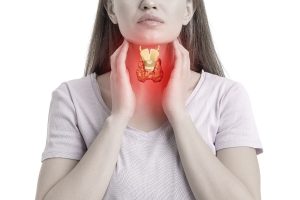
Rare causes of tinnitus include acoustic neuroma, head injury, hypertension, atherosclerosis and thyroid disease. Overdose of certain types of medications and substance abuse can also cause tinnitus.
Clinical presentation
Tinnitus can be experienced as roaring, humming, clicking, buzzing, whistling, hissing or any other sound. The pitch may be may be soft or loud, high or low.
Pulsatile tinnitus is a specific form of tinnitus where the sounds are heard exactly in correspondence with your pulse. This is usually caused due to a blood vessel disorder.
Investigations
Physical examination of the ear is carried out, followed by a hearing test. CT or MRI scan of the ear may be necessary in some cases.
Treatment
The underlying condition which is causing tinnitus must be treated. Ear wax removal, hearing aids, antibiotics or other treatment options are used as necessary. Sound generators are devices which produce low pitched simulated environmental sounds; these devices help mask the sounds of tinnitus.
Counseling, anti-depressant drugs and Cognitive behavioral therapy (CBT) are also important components of tinnitus treatment.
Recent updates
New forms of treatment, known as vagus nerve stimulation-tone therapy and transcranial magnetic stimulation are currently being investigated for treatment of tinnitus.
Role of acupuncture is also being studied.