
Causes and risk factors:
The exact cause of bruxism is not known. It occurs during sleep (sleep bruxism) or anytime during the day (awake bruxism). In children it occurs as a response to ear infection or during teething. Teeth grinding can also occur in various emotional responses like anxiety, stress, and anger. Mal alignment of the lower and upper teeth can also cause teeth grinding. Teeth grinding can just be a habit in some people. Excessive use of alcohol, or certain drugs or use of tobacco can also lead to teeth grinding.
Clinical presentations:
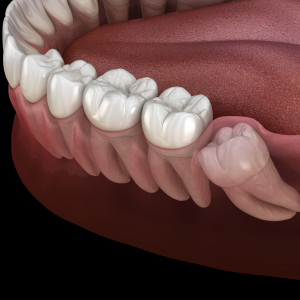
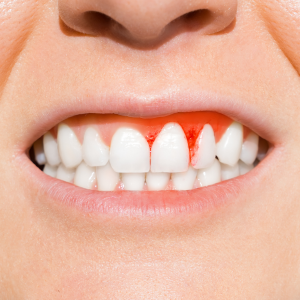
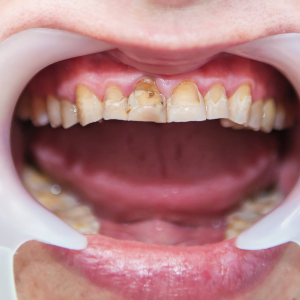
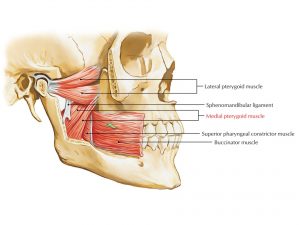
Patient presents with clenching of teeth, or grinding self felt or marked by somebody accompanied. It is more prominent during the attacks of anxiety, stress or certain reactive situations (Anger) When grinding and clenching is in sleep (Sleep bruxism)It often results into abnormal breathing sounds, snoring. Clenching and grinding often lead to soreness or stiffness in the jaws sometime radiating pains to the ear. Teething and grinding can result into mal alignment of teeth, destruction of tooth and enamel, develop cracks etc.
Diagnosis and investigations:
The symptoms narrated by the patient and the local dental check up carried out by the dentist will help in confirming the diagnosis.A detail history regarding the use of certain medication, stress or sleep patterns and any substance habit is enquired In children during regular dental checkups signs of bruxism can be easily detected by dentist on further history taking.
Treatment:
Generally teeth grinding does not require any treatment. In cases if any individual is addicted to certain substances it is recommended to stop such addictions. Steps to manage stress needs to be adopted. Behavior therapy has found to be helpful in this. Generally no medications have found to be effective in treating teeth grinding. Dentist may be sought to correct the malalingnment or training and advice for proper dental hygiene.