Causes and risk factors:
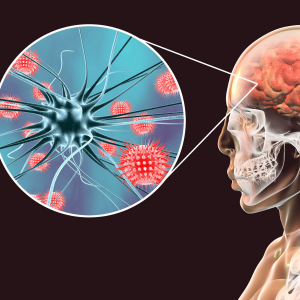
The exact cause is not known however mutation in genes is said to be one of the factors responsible for its development. Environmental, psychological and non infections are certain predisposing factors. Certain abnormalities in the brain and in the neurotransmitters can also lead to Tourette syndrome.
Clinical presentations:
The symptoms are more commonly seen at the age of 3-9 years. The patients can present with tics which can be simple or complex. Simple tics occur suddenly and are only few groups of muscles are involved. While in complex groups several group of muscles are involved. The patient can present with complaints like repetitive blinking of eyes. Jerking of head or shoulder, repetitive throat clearing or making grunting sounds. While some patients can present with symptoms like jumping, hopping, touching objects, touching other people, showing obscene gestures. Tics that include motor movement can result in self harm or harm to other people. The person is usually calm when involved in some activity however certain factors like tight collar, tie, hearing other person sniffing or clearing throat and even emotional stress can trigger tics.
Diagnosis and investigations:
Diagnosis is done on the basis of symptoms narrated by the patient, history obtained from family and attending relatives and friends and examination carried out by the doctor. Usually the presence of the tics for a period of 1 year is diagnostic itself.CT scan or MRI scan of the brain can also be done to find out the underlying abnormalities. EEG can also be advised.
Treatment:
As long as the symptoms do not interfere the functioning of the person medications are usually not advised. Neuroleptic drugs are prescribed in required cases. Biofeedback therapy, counseling, cognitive behavioral therapy have found to effective.
Other modes of treatment:
The other modes of treatment can also be effective in treating Tourette syndrome. Homoeopathy is a science which deals with individualization and considers a person in a holistic way. This science can be helpful in combating the symptoms. The Ayurvedic system of medicine which uses herbs and synthetic derivates can also be beneficial in combating the complaints.
Recent Update:
A large scale genetic study is going on for understanding the genetics of TS genes. It may strengthen clinical diagnosis, improve genetic counseling, will lead to the clarification of pathophysiology, and also provide clues for more effective therapies.