Causes and risk factors
Treacher Collins syndrome is a rare disorder caused due to mutation of genes. It is a chromosomal 5 abnormality. TCOF1, POLR1C, and POLR1D are the genes responsible for bone and other tissues development. Mutation of the gene TCOF1, POLR1C, and POLR1D are responsible for causing this syndrome. TCOF1 gene mutation is the most common of the causes. It accounts for about 80-93% of cases while those caused due to POLR1C and POLR1D gene mutation accounts for about 2% of cases. Mutation in these genes decrease the production of rRNA. This results in self-destruction of certain cells which are responsible for development of facial tissues and bones. It is an autosomal dominant condition. The individual inherits the disease from one of the affected parent.
Clinical presentation:
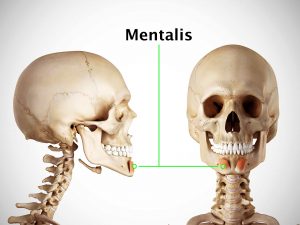
Treacher Collins syndrome affects the bones and the tissues. The most commonly affected bones are the cheekbones and the jaw. The palate is also affected. An individual suffering from this syndrome has a small cheek and chin. The child has a cleft palate. Structural abnormalities of the ear are seen. The outer and middle ears are affected. This affects the hearing capacity. Affection of eyes hampers the vision. The eyes are slanted downwards. Eyelashes become sparse. Eyes are dry due to which they become more vulnerable for infection. The respiratory system is affected. As a result, the person faces difficulty in breathing and feeding. This all affects the speech causing velopharyngeal insufficiency.
Investigations:
Diagnosis is done on the basis of the symptoms narrated by the patient, detailed physical examination, and certain investigations. Ophthalmic and auditory examinations are carried out. Various hearing tests are carried out. Investigations like x-ray and CT scans are carried out. Genetic testing can also be done.
Treatment:
There is no exact cure for Treacher Collins syndrome; however, the treatment aims at symptomatic relief. Various surgeries are done for correcting the abnormalities like surgery for reconstruction of ears or cleft palate. Reconstruction or corrective surgery of jaw and chin is also done. Repair of cheekbone is done. Hearing aids can be fitted. Tracheotomy is done for maintenance of breathing. The child’s diet needs to be reviewed by the dietician. Maintenance of good oral health and hygiene is a must. The child is also referred to a speech pathologist.
Other Modes of treatment:
Certain other modes of treatment can also be helpful in coping up with the symptoms. Taking into consideration the symptoms in a holistic way, homoeopathy can offer a good aid for the relief of the symptoms. The Ayurvedic system of medicine which uses herbs and synthetic derivates can also be beneficial in combating the complaints.
Facts and Figures:
The incidence of Treacher Collins syndrome is 1 in 50,000 people worldwide.