
Causes and risk factors
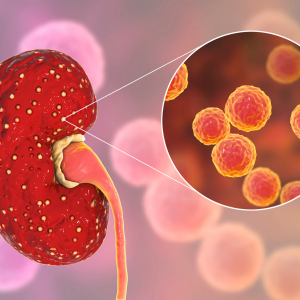
The disease is caused by Meningococcus bacteria. Other bacteria that can cause this disease include group B streptococcus, Staphylococcus aureus, S. pneumoniae, Pseudomonas aeruginosa. Additional predisposing factors of the disease are low platelet count, primary antiphospholipid syndrome, renal vein thrombosis, and steroids.
Clinical presentation
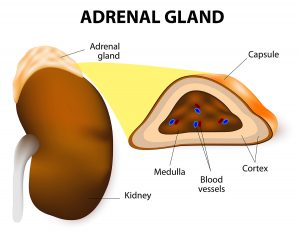
Patient presents with prodromal symptoms like headache, chills, muscular pains, and malaise. The disease runs a fulminating course with rapid deterioration and high mortality. It is characterised by stupor, cyanosis, pallor, and vomiting. The skin shows petechial haemorrhages which develop into a purpuric rash. Necrosis and sloughing can occur in later stages. Pallor on face and trunk is observed. Facial edema is seen. Cold and cyanotic lips and extremities are observed. There is profuse perspiration. Gastrointestinal symptoms like vomiting, diarrhea, and abdominal pain are experienced by the patient. Patient is restless, apprehensive, and delirious. The signs include high fever, rapid pulse, hypotension, shallow and rapid respirations. Hematuria is present. Pleural effusion, pulmonary edema in lungs, enlargement of liver, adrenal glands, and kidneys is also observed. Patient may land up in shock, septicemia, or cardiac failure if left untreated.
Investigation
Medical history by the patient and clinical examination by the doctor helps in diagnosis. Renal function test is recommended. Serum electrolytes are advised. Routine hemogram is done. Urine analysis is done.
Treatment
Treatment involves that of shock or septicemia. Antibiotics are given either orally or intravenously. IV fluids are administered. Oxygen support is given in case of severe breathing difficulty. Medications like anti-clotting drugs, etc., are prescribed if necessary. Adrenocortical hormone substitution therapy is required.
Other Modes of treatment
The other modes of treatment can also be effective in treating Waterhouse-Friderichsen syndrome. Homoeopathy is a science which deals with individualization and considers a person in a holistic way. This science can be helpful in combating the symptoms. Similarly, the Ayurvedic system of medicine which uses herbal medicines and synthetic derivates are also found to be effective in treating Waterhouse-Friderichsen syndrome.