Nutrients for mind and body
Make sure your diet includes plenty of foods containing vitamins and minerals, which promote a healthy balance of mood enhancing chemicals in the brain and ensure that the brain cells are able to operate normally.

Calcium
1. Food sources: Milk products, green leafy vegetables, legumes, nuts, seeds 2. Benefit for depression: Activates enzymes needed for normal brain cell activity
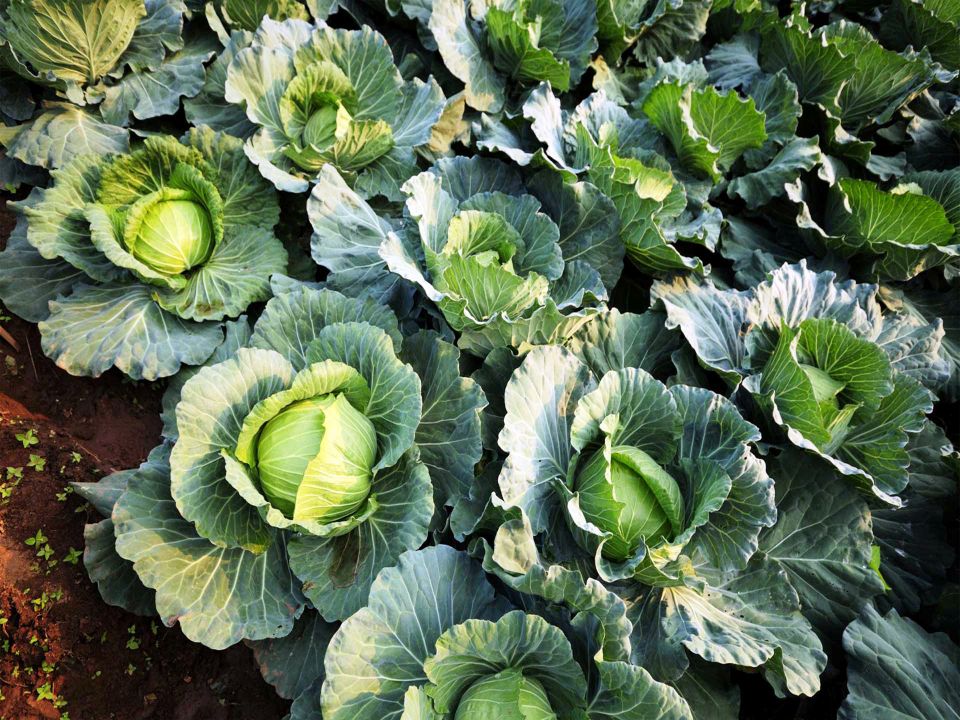
Folic acid
1. Food sources: Dark green leafy vegetables, such as cabbage 2. Benefit for depression: Promotes production of serotonin, a mood-lifting chemical in the brain
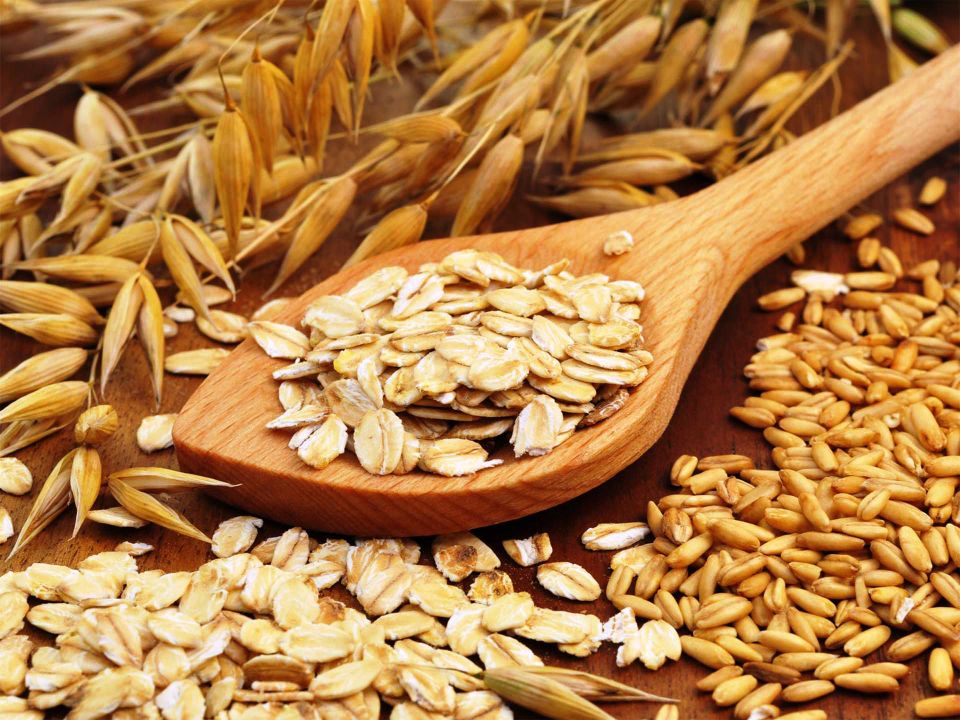
Inositol
1. Food sources: Brewer’s yeast, fruits, vegetables, legumes, meat, milk, whole grains 2. Benefit for depression: Helps regulate mood swings

Iron
1. Food sources: Meat, fish, egg yolks, beans, dark green leafy vegetables 2. Benefit for depression: Boosts the production of a range of chemical transmitters in the brain.
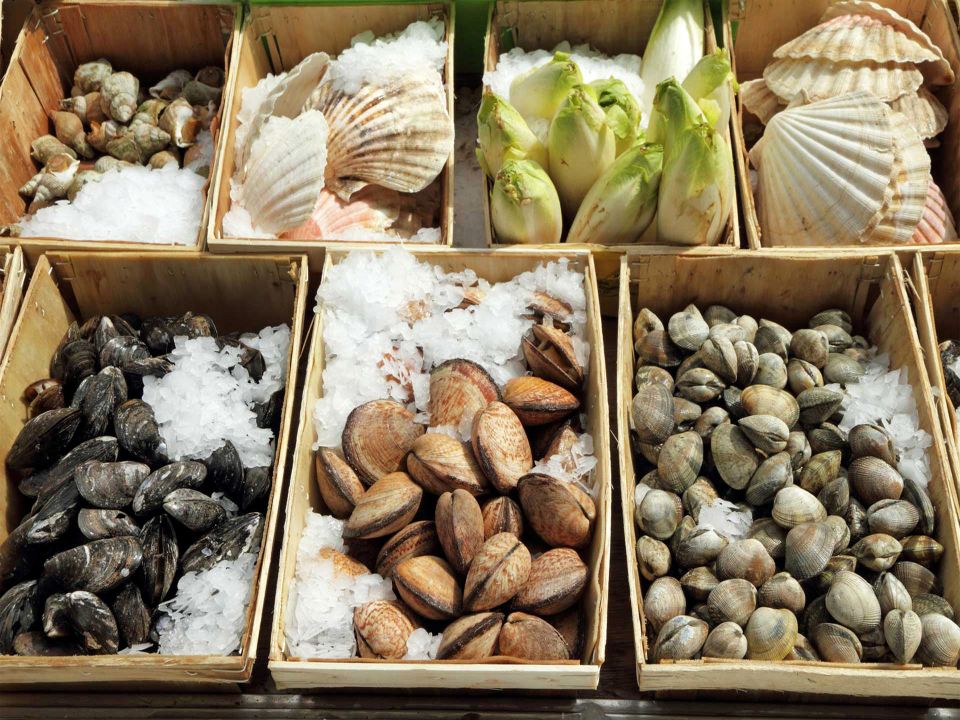
Magnesium
1. Food sources: Shellfish, beans, whole grains, dark green leafy vegetables, nuts 2. Benefit for depression: Promotes normal brain cell activity

Potassium
1. Food sources: Whole grains, vegetables, fruits (especially bananas) 2. Benefit for depression: Redresses the low levels of this mineral, commonly found in depressed people

Zinc
1. Food sources: Meat, shellfish, egg yolks, beans, whole grains, peas, root vegetables, nuts 2. Benefit for depression: Enhances the release of energy from brain cells, which may help prevent depression
Vitamin B6
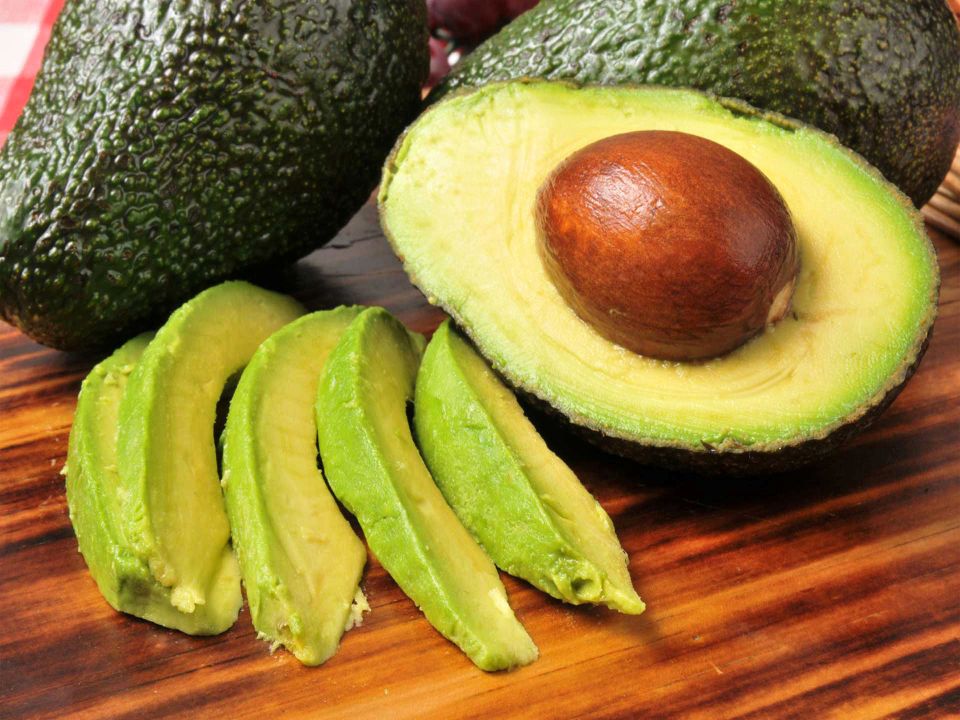
1. Food sources: Meat, fish, egg yolks, beans, whole grains, bananas, avocados, nuts, seeds, dark green leafy vegetables 2. Benefit for depression: Helps convert tryptophan to mood-lifting serotonin in the brain
Vitamin C
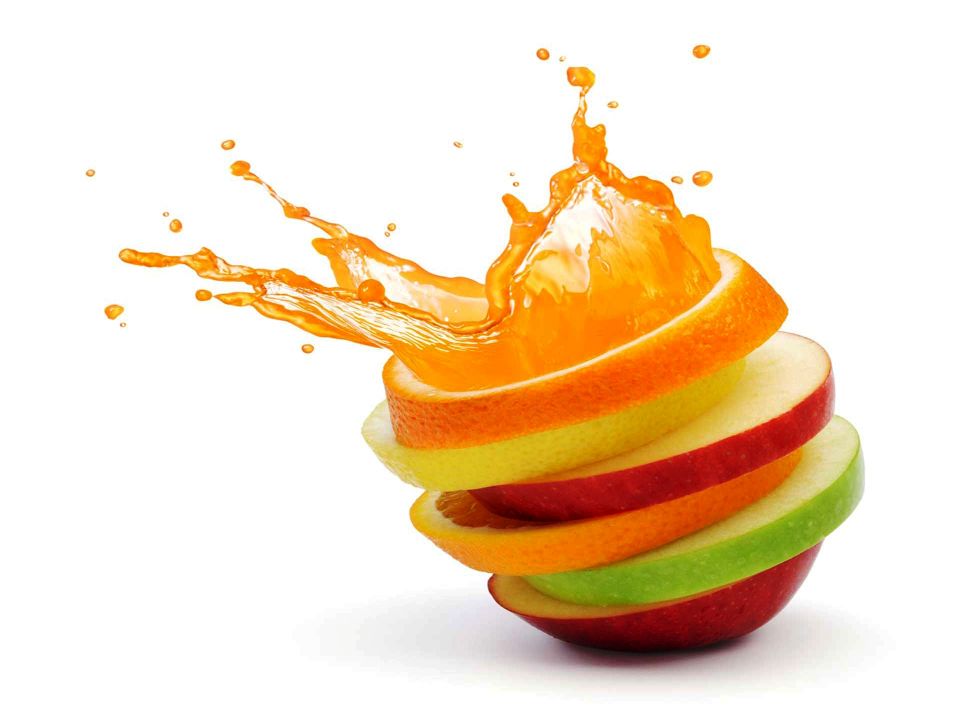
1. Food sources: Fresh vegetables and fruits, especially citrus 2. Benefit for depression: Enhances iron absorption