Causes and risk factors
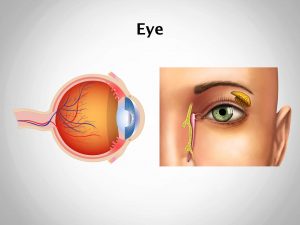
The condition can be congenital or acquired. In cases of acquired acute dacryocystitis, the nasolacrimal system is prone to infections. The mucous membrane of the nasolacrimal tract is continuous with conjunctival surface as well as nasal mucosal surface. It is normally colonised by bacteria. Its main function is to drain the tears into lacrimal sac. Any blockage in this system leads to dacryocystitis. It is common in newborn infants and middle aged women. Left eye is more commonly affected. Lower socioeconomic group is more prone to the condition. Other contributing factors include DNS, nasal polyps, primary conjunctivitis, nasopharyngeal infection. Organisms responsible for the infection include streptococcus, staphylococcus, mycobacterium, etc.
Clinical presentation
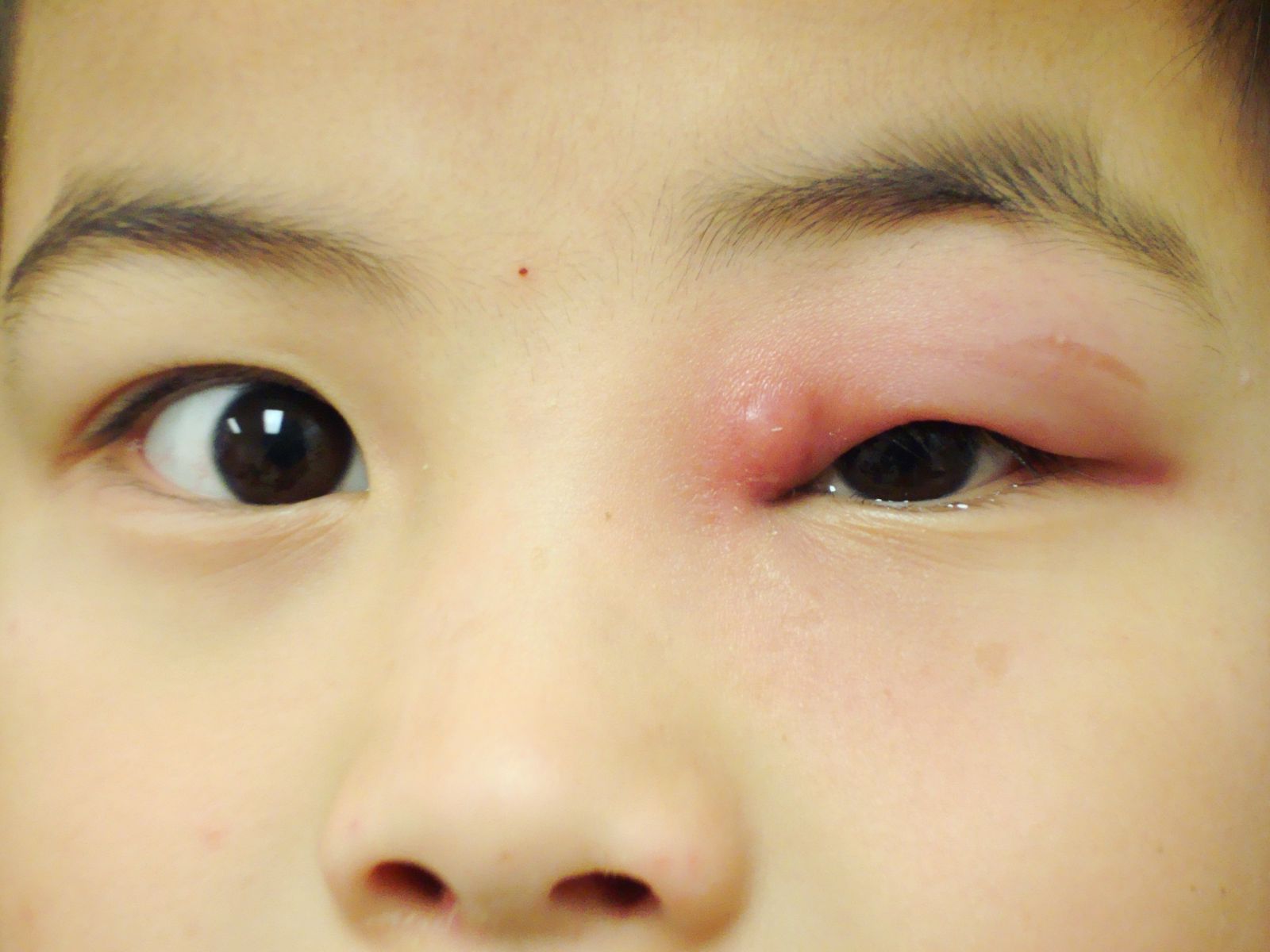
In acute dacryocystitis, the onset is acute with painful swelling below the inner canthus. It is accompanied by widespread cellulitis of the underlying tissue. There is tenderness of the swelling. There can be enlargement of submandibular lymph nodes. Patient may show constitutional symptoms like malaise, fever, anorexia, etc. There is excessive tearing of the eye. There may be formation of an abscess with perforation of skin just below the medial palpebral ligament leading to formation of lacrimal fistula. There is decreased visual acuity due to the excessive tears and an abnormal tear composition.
Investigation
Medical history by the patient and clinical examination by the ophthalmologist helps in diagnosis. In severe or atypical cases, culture of the expressed contents of the sac is recommended. Blood test is done. Ultrasonography/CT scan of the orbit and the paranasal sinuses is advised. A dacryocystography (DCG) may be performed where structural abnormalities are suspected.
Treatment
In case of congenital dacryocystitis, lacrimal sac compression and massage helps in removing the obstruction and opening the channel. Compression of lacrimal sac is done by applying downward pressure with thumb and index finger on the sac and rocking the finger over the sac for 30 seconds to one minute. Further treatment involves local hot compressions. Medicines include antibiotics, analgesics, antipyretics. Topical antibiotics are prescribed. Surgical intervention such as I and D is required in case of abscesses. In case of fistula, dacryocystectomy(DCT) operation helps in treating the condition.
Other Modes of treatment
The other modes of treatment can also be effective in treating dacryocystitis. Homoeopathy is a science which deals with individualization and considers a person in a holistic way. This science can be helpful in combating the symptoms. Similarly, the Ayurvedic system of medicine which uses herbal medicines and synthetic derivates, is also found to be effective in treating dacryocystitis.