Causative & risk factors
Primary amyloidosis is caused as a result of abnormal production of protein in the cells of the bone marrow. Even though the exact cause is not known, familial or hereditary tendency is noted.
Causes of secondary amyloidosis include tuberculosis, rheumatoid arthritis, ankylosing spondylosis, lepromatous leprosy and suppurative lung diseases. Various cancers including those of the intestine, kidney and lungs can also cause amyloidosis.
Clinical presentation
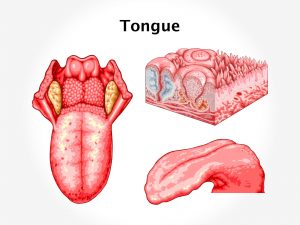
The symptoms of amyloidosis will vary greatly according to the organ affected. They include breathlessness, edema in lower limbs, bloody diarrhea or constipation. There may be swelling of the tongue and difficulty in swallowing. Debility and unintended loss of weight may be present. The patient may experience pain, tingling or numbness in the extremities.
Diagnosis & Investigations
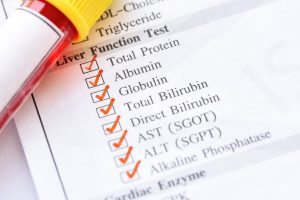
If amyloidosis is suspected, a blood test or urine test for amyloid protein is carried out. Ultrasound, CT scan or MRI scan of the affected part is performed. Biopsy of the affected part may be necessary to rule out other conditions.
Treatment
Currently, there is no cure for amyloidosis. Treatment is aimed at relieving the signs and symptoms and preventing further damage to the affected organs. Medications such as painkillers, anti-inflammatory drugs, diuretics, blood-thinners etc are prescribed. Chemotherapy is usually necessary. Sometimes kidney or liver transplant may be indicated. Other treatment modalities may be used depending upon the part affected.
Recent updates
Newer treatment modalities are constantly being researched to treat amyloidosis.