Causes and risk factors
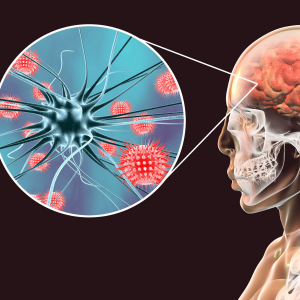
The exact cause of amyotrophic lateral sclerosis (ALS) is not known. Research is still going on in this regards. It is considered to be an autoimmune disorder, in which the body’s own immune system destroys the nerve cells or motor neurons. Genetic factor and a strong family history is the major contributing factor. Certain viral infections in the childhood or mix viruses predisposed to the onset of ALS, Smoking and exposure to lead are the triggering factors.
Symptoms
ALS can lead to variety of symptoms. The muscles are the first to get affected. The muscles become soft and weak or they become tight, the muscles of the extremities are more commonly affected. Twitching and cramping of muscles are seen. Numbness or weakness of the extrimities, one sided paralysis are the characteristic symptoms. Electric shock like pains or tingling can be felt. The speech becomes slurred or there is loss of speech, the patient complaints of disturbed vision or blurred vision. The patient can also suffer from complete loss of vision. Fatigue, dizziness and loss of control on bowel and bladder movements are associated symptoms. Amyotrophic lateral sclerosis can lead to epileptic attack, spasms and depression. Co ordination and balancing becomes difficult. There is inability to walk.
Diagnosis:
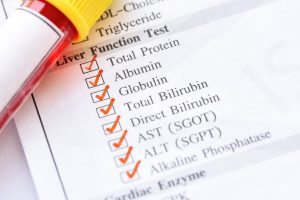
Diagnosis can be made on the basis of the symptoms narrated by the patient and the physical examination and complete neurological evaluation carried out by the neurologist.Threre is no specific test for confirmation.MRI and CT scan of the brain and spinal cord are advised. Electromyography (EMG) and nerve conduction velocity (NCV) to evaluate the muscle and nerve cell affection. Lumbar puncture for cerebrospinal fluid examination are done. Certain other investigations like routine blood test, Lipid profile, blood sugar levels, renal and liver function test can be suggested.
Treatment
There is no specific cure and treatment for amyotrophic lateral sclerosis. Symptomatic relief is the main line of treatment. Riluzole drug is the main line of treatment. Various medical interventions can be used to improve the quality of life of people suffering with ALS. E.g.: use of non invasive ventilation for breathing. Various cognitive and behavioral therapies need to be implemented. Physical exercises are advised that will help to strengthen the muscles. Dietary care also needs to be taken. One should take a well balance nutritious diet. For improvement of communication, certain techniques taught by a speech therapist can be helpful.
Other modes of treatment:
Certain other modes of treatment can also be helpful in coping up the symptom. Taking into consideration the symptoms in holistic way, homoeopathy can offer a good aid for the relief of the symptoms
Recent update:
The National Institute of Neurological Disorders and Stroke, part of the National Institutes of Health are conducting various researchers to understand the mechanism involved in the progression of the diseases so as to make up an effective treatment plan.