Causes and risk factors
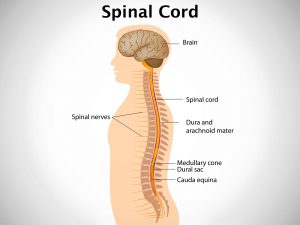
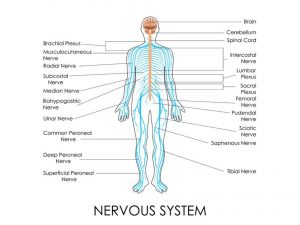
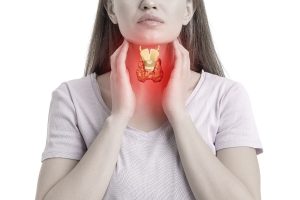
The cerebellum is responsible for executing smooth movements of the body. When the brain sends signals for movement, it is transmitted via spinal cord to peripheral nerves to the muscle. It causes a muscle to move. Similarly sensory impulses [visual, tactile, auditory] are sent in opposite direction i.e. from the receptor organ to the brain. Failure of any one of these pathways can lead to ataxia. Causes include head trauma, stroke, transient ischemic attack. Diseases like vitamin B12 deficiency, hypothyroidism, multiple scelrosis, cerebral palsy also cause ataxia. Excess alcohol consumption, radiation poisoning, drug intoxication, heavy metal poisoning are predisposing factors of the disease. Hereditary ataxia can occur such as Friedreich’s ataxia.
Clinical presentation
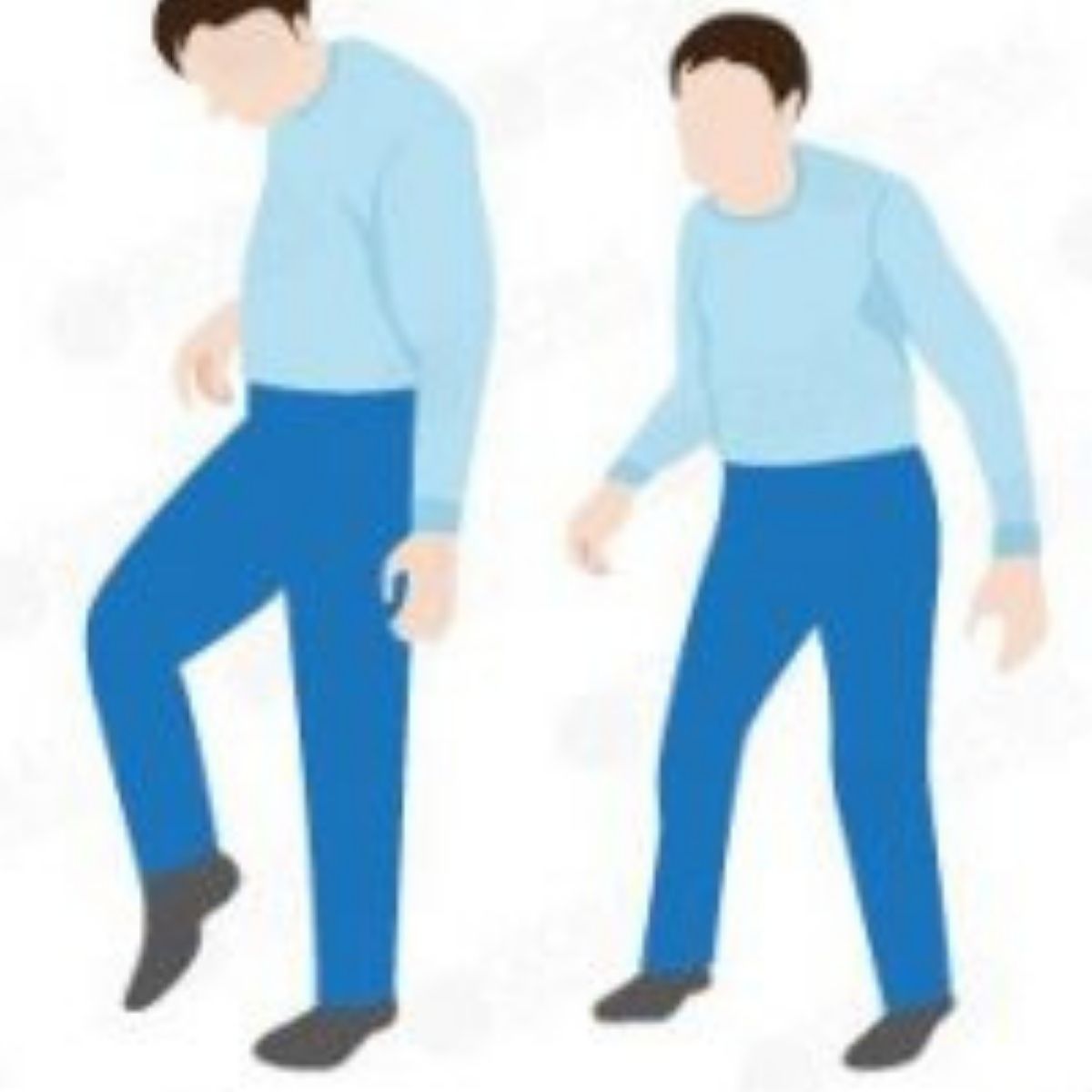
Symptoms such as poor coordination, unsteady walk and a tendency to stumble, difficulty with fine-motor tasks, such as eating, writing or buttoning a shirt is seen. Change in speech, involuntary back-and-forth eye movements [nystagmus], difficulty swallowing are observed. Easy tiring or fatigue is also seen in ataxia. Later, signs such as loss of bladder and bowel control, loss of memory, anxiety, and depression are observed in patients of ataxia.
Investigation
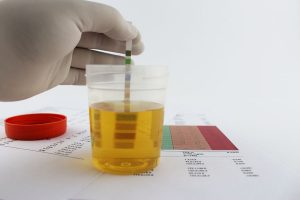
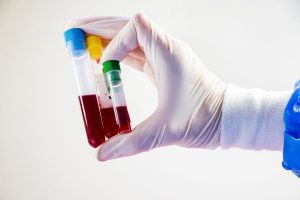
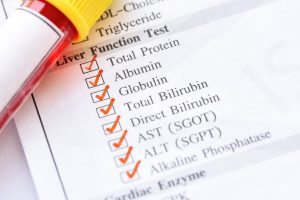
Medical history by the patient and Clinical examination by the doctor helps in diagnosis. Tests such as Complete Blood Count, Urinalysis are done. Imaging studies such as CT scan MRI may be useful for further evaluation. Lumbar puncture [spinal tap] is advised. Genetic testing confirms the diagnosis
Treatment
In most cases there is no cure for ataxia. In some acquired cases symptoms can be relieved by treating the underlying cause. In other cases supportive care is given i.e. adaptive devices and physical therapies are advised to cope up with the ataxia. Adaptive devices such as walking stick, crutches, walker or a wheelchair, modified utensils for eating, communication aids for speaking. Therapies such as Occupational therapy, speech therapy, physiotherapy are useful.
Other Modes of treatment
The other modes of treatment can also be effective in treating ataxia. Homoeopathy is a science which deals with individualization considers a person in a holistic way. This science can be helpful in combating the symptoms. Similarly the ayurvedic system of medicine which uses herbal medicines and synthetic derivates are also found to be effective in treating ataxia.