Causes and risk factors
Causes of Autonomic neuropathy include Diabetes, alcoholism, amyloidosis, Sjogren’s syndrome, systemic lupus erythmatous, Parkinson’s disease, Botulism, Leprosy , injury to nerves caused by surgery or radiation, Side effects of medications like chemotherapy drugs, antidepressants, genetic abnormality.
Clinical presentation
Symptoms of autonomic neuropathy depend upon which part of autonomic nervous system is affected. Ocular symptoms such as dizziness on standing, blurring of vision, reduced lachrymation, difficulty focusing, sluggish pupil reaction; digestive disorders like Vomiting, feeling of nausea, constipation, diarrhoea, loss of appetite, distended abdomen; urinary complaints like inability to start urination, difficulty in emptying bladder, recurrent UTI, incomplete bladder voiding; sexual difficulties like erectile dysfunction, premature ejaculation, vaginal dryness; other symptoms like excessive or decreased sweating; shortness of breath; burning feet can be experienced by the patient.
Investigation
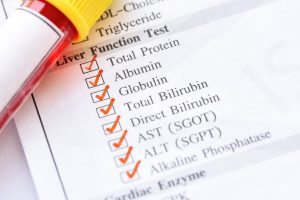
Medical history by the patient and Clinical examination by the doctor helps in diagnosis. Initial investigations must include complete blood count, basic metabolic panel, liver function test, and immunoelectrophoresis. Further tests depend upon specific medical conditions of the patient such as glucose tolerance test, breathing tests to measure blood pressure and heart rate, Tilt-table test, Gastric-emptying tests ,Abdominal X-rays, Thermoregulatory test, Urodynamic test to asses bladder functioning, ultrasound.
Treatment
Treatment is based upon the underlying cause. It depends on which part of autonomic nervous system is affected. It involves managing the symptoms and preventing further damage. Medicines to improve digestion, urinary problems, sexual disturbances will help in managing the patient with autonomic neuropathy. Changes in the diet and lifestyle will contribute further to the treatment.
Other Modes of treatment
The other modes of treatment can also be effective in treating autonomic neuropathy. Homoeopathy is a science which deals with individualization considers a person in a holistic way. This science can be helpful in combating the symptoms. Similarly the ayurvedic system of medicine which uses herbal medicines and synthetic derivates are also found to be effective in treating autonomic neuropathy.
Recent updates
A study has been carried out to prove a correlation between cardiac autonomic neuropathy and type II diabetes in eastern India.