
Causes and risk factors
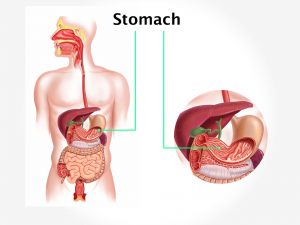
Bezoar occurs in children who are emotionally unstable. There is presence of intellectual disability. The factors that increase the risk of bezoar formation include gastric surgery causing delayed stomach emptying, decreased stomach size, reduced stomach acid production, diseases like diabetes or end-stage kidney disease. Breathing with the help of mechanical ventilation can also lead to bezoar formation.
The types of bezoar include phytobezoars that are composed of indigestible food fibers found in fruits and vegetables like celery, pumpkin, beet, raisins; trichobezoars composed of hair or hair-like fibers such as carpet or clothing fibers; pharmacobezoars composed of medications that don’t properly dissolve in the digestive tract.
Clinical presentation
Patient complains of reduced appetite, nausea, vomiting, unintentional weight loss. There is a feeling of fullness after eating only a little food. Patient complains of pain in the abdomen, diarrhea. There can be gastric ulcer formation.
Investigation
Medical history by the patient and clinical examination by the doctor helps in diagnosis. Bezoar can be diagnosed by endoscopy or through barium swallow x-ray.
Treatment
No treatment is required for patients with small bezoars. Small bezoar may pass through digestive tract on their own. Surgery is usually required to remove a large bezoar.
Other Modes of treatment
The other modes of treatment can also be effective in treating bezoar. Homoeopathy is a science which deals with individualization and considers a person in a holistic way. This science can be helpful in combating the symptoms. Similarly, the Ayurvedic system of medicine which uses herbal medicines and synthetic derivates are also found to be effective in treating bezoar.