Causes and risk factors
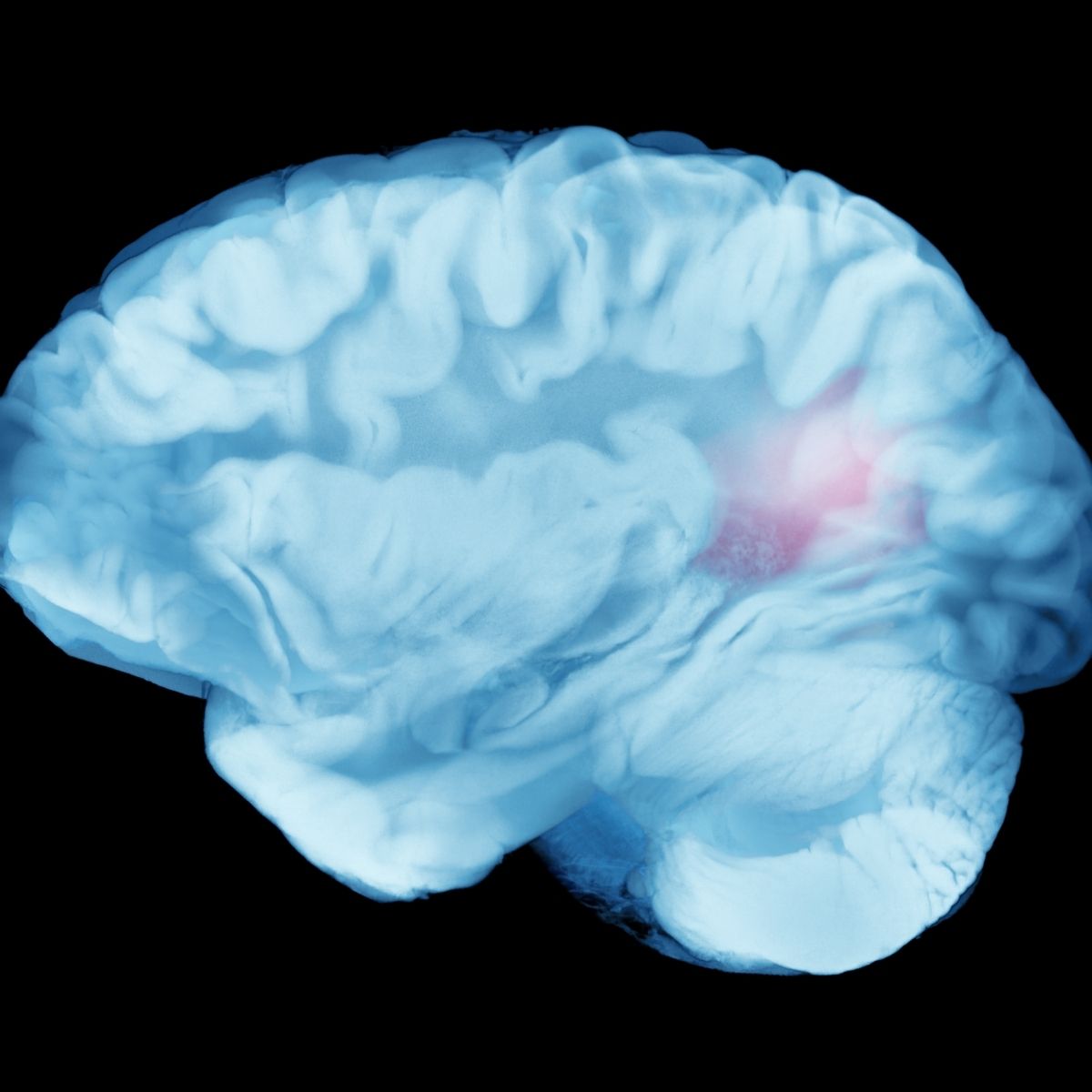
Aneurysm is caused due to thinning or weakening of the walls of the arteries of the brain. However certain conditions like hypertension, smoking, excess alcohol, obesity can trigger aneurysm. Coarctation of aorta and genetic diseases like Marfan syndrome, multiple endocrine neoplasias etc can also cause aneurysm. Incidences are also seen in patients who have a strong family history.
Clinical presentation:
Most of the patient remains asymptomatic. In cases where the aneurysm is exerting pressures on the surrounding structures specially nerves it can cause symptoms like severe headache, unexplained Nausea and vomiting, double or loss of vision, dilated pupils, vision disturbance, weakness and paralysis of one side of the face. Leaking or rupture of the aneurysm is a medical emergency, it causes internal brain hemorrhages leading to severe headache, nausea, vomiting ,difficulties in walking, speaking, hearing difficulty, loss of sensation in extremities, behavioral and intellectual changes. Seizures may occur. The patient can become unconscious ultimately leading to stroke.
Investigations:
Diagnosis is done of the basis of the symptoms narrated by the patient and the physical examination carried out by the neurosurgeon. MRI or CT scan of the brain, lumbar puncture for examination of the Cerebrospinal fluid and cerebral angiogram are diagnostic investigations. Apart from this routine Blood test, Blood sugar levels, Renal and liver function test are also done.
Treatment:
Immediate medical attention is required in cases of brain aneurysm. Surgical clipping and endovascular coiling are the treatments available. Pain relieving medicines, calcium channel blockers and anti seizure medications are started. Use of flow diverters is the newly developed technique. Post operative rehabilitation with the help of various therapies like speech and physical therapy needs to be implemented.
Recent update:
A recent study demonstrated that the size of the aneurysm does not significantly impact the risk of rupture. The total number of individual risk factors is more important.