
Causes and risk factors:
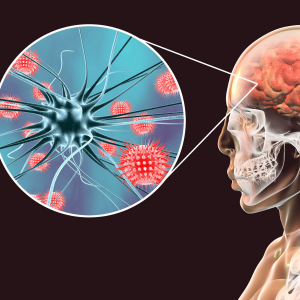
Arteriovenous malformation occurs when a tangle of blood vessel is formed in the brain or on its surfaces which interrupts the normal blood circulation diverting the blood from the arteries to the brain. The exact cause of this malformation is not known. It is congenital in most of the cases although it can be acquired too in later life. It varies in size and location.
Clinical presentations:
There are different types of arteriovenous malformations. True arteriovenous malformation, Cavernous malformation, venous malformation, hemangioma and dural fistula .The symptoms vary as per the location of the tangle. Complaints are caused due to cerebrovascular accidents like stroke or hemorrhages. Due to pressure the AVM can rupture and lead to leaking of blood thus leading to stroke. The patient’s presents with complaints of difficulty in walking and talking; the speech is slurred, on smiling one side of the face droops down. Difficulty in raising one or both the arms, difficult or blurred vision is experienced. Tingling and numbness of extremities or paralysis of one side of the body occurs. Headache, dizziness, vomiting and unconsciousness are the other marked symptoms. The other normal body functions are also affected. Depending upon the location of the tangle the complaints are seen. In case where the parietal lobe is affected it affects the movement of the extremities.AVM can lead to a variety of complications like seizures, permanent brain damage, hemorrhages, hydrocephalus and even death.
Diagnosis and investigations:
Diagnosis is done on the basis of symptoms narrated by the patient and the examination carried out by the doctor. Cerebral angiography along with CT scan and MRI of the brain is the diagnostic investigations in such cases. Along with Routine blood test, blood sugar levels , lipid profile etc.
Treatment:
In cases where the AVM is diagnosed at an older age or where the administration of treatment is not safe regular monitoring is required in such cases. A bleeding AVM is a medical emergency. The patient is hospitalized and is under close monitoring. Surgical intervention is required where the arteriovenous malformation is removed. In cases where the AVM is large or the area is difficult to reach stereotactic radio surgery or endovascular neurosurgery is adopted. Rehabilitating activities like speech therapy, occupational and physical therapy and support from friends and family needs to be adopted for full recovery. Adopting a healthy lifestyle which comprises of regular exercises, nutritious diet and periodical health checkups are the only preventive steps.
Recent Updates:
A study in the April 23/30 issue of JAMA suggested that the patients receiving conservative management for arteriovenous malformations in the brain that have not ruptured, had a lower risk of stroke or death for up to 12 years, compared to those receiving an interventional treatment.
Facts and Figures:
Arteriovenous malformation in brain is rare disorder with an incidence of 1 in 200-500 people.