Causes and risk factors
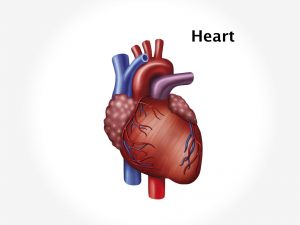
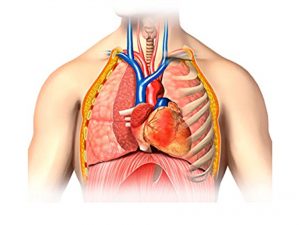
Braguda is an inherited syndrome. It is a genetic heart disease. Mutation in the SCN5A gene causes brugada syndrome. (Inherited brugada syndrome) However it can also occur in an individual without any family history. As the incidence is more commonly seen in men, it is estimated that there must be some role of testosterone hormone in its causation. Certain condition can also predispose Brugada syndrome.Low levels of calcium and potassium in the blood along with use of certain medications used for treating heart diseases, depression or other mental diseases can also trigger this syndrome.(acquired brugada syndrome)
Clinical presentation:
The symptoms can be seen at an early infant age or during early adulthood. The patient can present with complaints of rapid beating of the heart and fainting. The heart beat becomes irregular and seizures occur. The complaints are more commonly seen at night as compared to day. Most commonly the complaints can occur during rest or sleep. It can also lead to sudden unexplained nocturnal deaths.
Investigations:
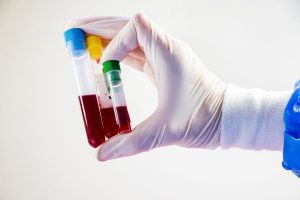
Diagnosis is done on the basis of symptoms narrated by the patient and the examination carried out by the doctor. ECG is diagnostics test. Along with this genetic testing and electrophysiology test is also done. The doctor can advised certain other tests like routine blood test, urine test, Blood sugar levels etc.
Treatment:
There is currently no cure available for brugada syndrome. Fitting of an implanted cardiac defibrillator is the only effective treatment plan for brugada syndrome. It administers an electric shock to the heart which helps the heart for normal pumping. No medications are available for this.
Facts and figure:
Brugada syndrome affects 5 in 10000 people worldwide.