
Causes and risk factors
The exact cause of chronic hives is not known. In most of the cases it is an autoimmune disorder causing or triggering release of certain chemicals in blood which results into allergic manifestations. Any viral infection can also cause hives. Pressure which occurs due to wearing of some tight clothes or bandages, extreme heat or cold, exercise, and sunlight are some of the triggering factors. Hives can occur in people who are sensitive or have allergy to certain kind of food substances like meat, fish, groundnuts or sour and acidic food. In some people hives can occur as a reaction to certain medications. Certain insect bites like bees or parasitic infestation can also cause hives.
Clinical presentation:
Hives can be allergic or can occur due to some non allergic causes also.
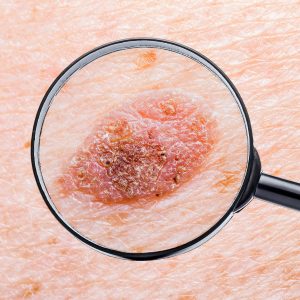
The patient complaints of reddish appearance of the skin. They present as patches of wheals singularly or in groups. Small raised eruptions which are red in color can occur. Intense itching is another symptom of which the patients can complaint of, resulting into edema of the surrounding tissue known as angioedema. The size and shape of the skin lesion may vary from person to person. Burning sensation or soreness is experienced. Sometime it involves oral mucosa that is throat and palate. Periodicity can be seen. Acute hives can cause some serious complications like anaphylactic shock characterized by difficulty in breathing, choking, and accumulation of fluids in lungs (Pulmonary edema) and in severe cases anaphylaxis can lead to death.
Investigations:
Diagnosis can be done on the basis of the symptoms narrated by the patients and the physical examination carried out by the doctor. The detail history taken from the patient will help the doctor to evaluate the cause. However there is no exact diagnostic test for confirming the chronic hives. Routine blood test and allergy test are recommended by the consultant.
Treatment:
Avoidance of the triggering factors is the main line of treatment. Anti histaminic or steroid medications are advised by the doctor. Person with complications like angioedema, or anaphylaxis emergency treatment is needed.
Recent updates:
A study carried out by researchers at the University of Nebraska Medical Center shows that vitamin D acts as an add-on therapy that could provide some relief for chronic hives.