Causes and risk factors
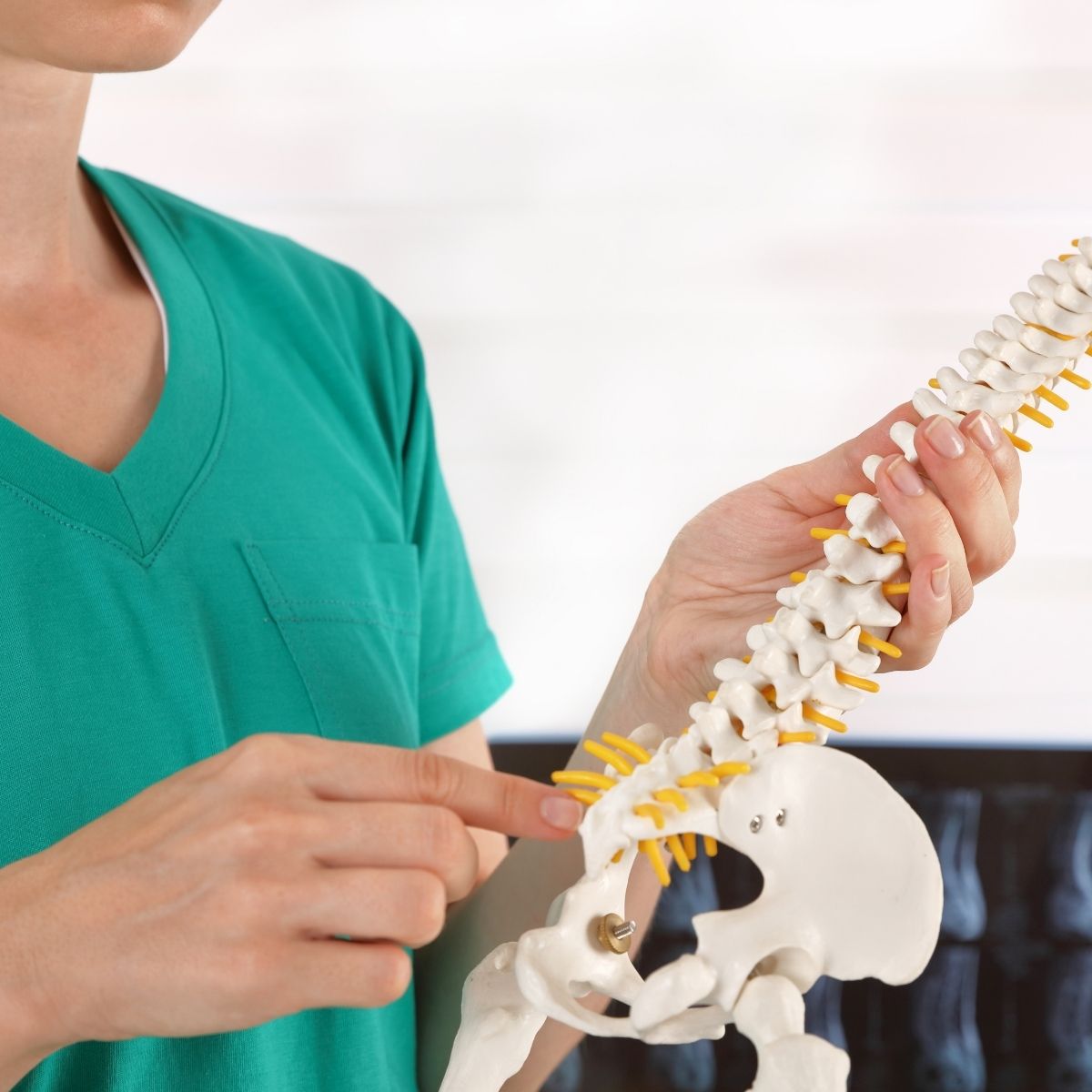
The main cause of coccydynia is trauma. Direct injury to the tail bone due to fall or during vehicle accidents is the main cause. Trauma due to childbirth is another common cause of pain around the coccyx region. Excessive mobility of this bone also leads to coccydynia. Rarely infection, fracture, or spinal tumor can lead to pain at the tail bone. Sometimes pain can persist due to unknown causes.
Clinical presentation:
Pain is the predominating feature seen. Bruised, sore feeling is felt at the bottom of the spinal region. The pain increases on sitting or any activity which causes pressure on the area. Constipation and sexual activity aggravates the pain. Swelling may be seen at the affected area. On examination, tenderness is felt.
Investigations:
Clinical examination and the symptoms narrated are usually sufficient for confirming the diagnosis. X-ray is usually done to rule out fractures. MRI or CT scan is done for analyzing the damage to the surrounding tissue.
Treatment:
Rest and application of ice and compression for relieving the swelling is done. Analgesic or nonsteroidal anti-inflammatory drugs are advised by the orthopedic doctor. Corticosteroid injection can be given, especially if the pain is not relieved by medications. Heat and ultrasound lights are other ways which can be used to allay the pain. In severe cases, surgical intervention or coccygeal manipulation is needed. Surgery comprises of coccygectomy. For improving the strength and activity of the muscles, exercises are advised.
Other Modes of treatment:
Certain other modes of treatment can also be helpful in coping up with the symptom. Taking into consideration the symptoms in a holistic way, homoeopathy can offer a good aid for the relief of the symptoms. The Ayurvedic system of medicine which uses herbs and synthetic derivates can also be beneficial in combating the complaints. Certain yoga exercises can also be helpful in strengthening the muscles.