
Causes and risk factors
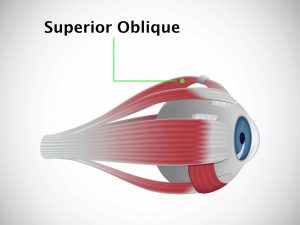
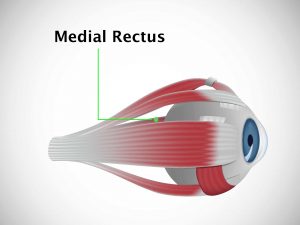
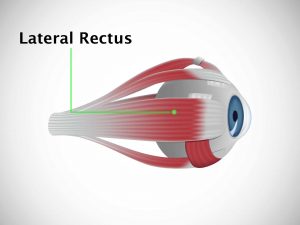
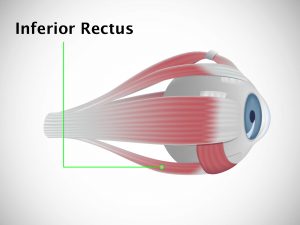
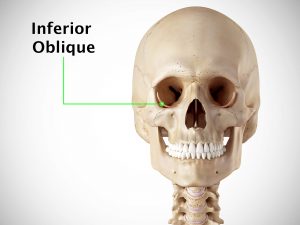
Convergence insufficiency occurs as a result of misalignment of eyes while focusing on near objects. The reason for this misalignment, however, is not clearly understood.
Clinical presentation
Having convergence insufficiency makes focusing on close objects difficult. This hampers concentration and slows down the process of reading in children. The child strains his/her eyes, which eventually leads to a headache. He/she may experience diplopia (double vision). Other known symptoms of convergence insufficiency can include blurred vision, motion sickness, and dizziness.
Investigations
An eye exam conducted by a physician is adequate to make a diagnosis of convergence insufficiency.
Treatment
Corrected multifocal spectacles are used to reduce symptoms caused due to insufficiency of convergence. Surgical intervention can also be offered. Treatment for convergence insufficiency, however, has a limited role.
Complications
Convergence insufficiency leads to the suppression of either eye or development of amblyopia.
When to contact a doctor
Contact a doctor as soon as you experience any visual symptoms such as diplopia or blurred vision.
Systems involved
Ophthalmology.
Organs involved
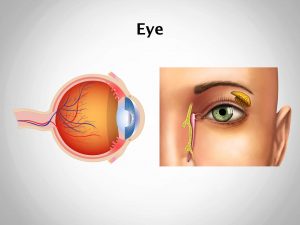
Eyes