Causes and risk factors
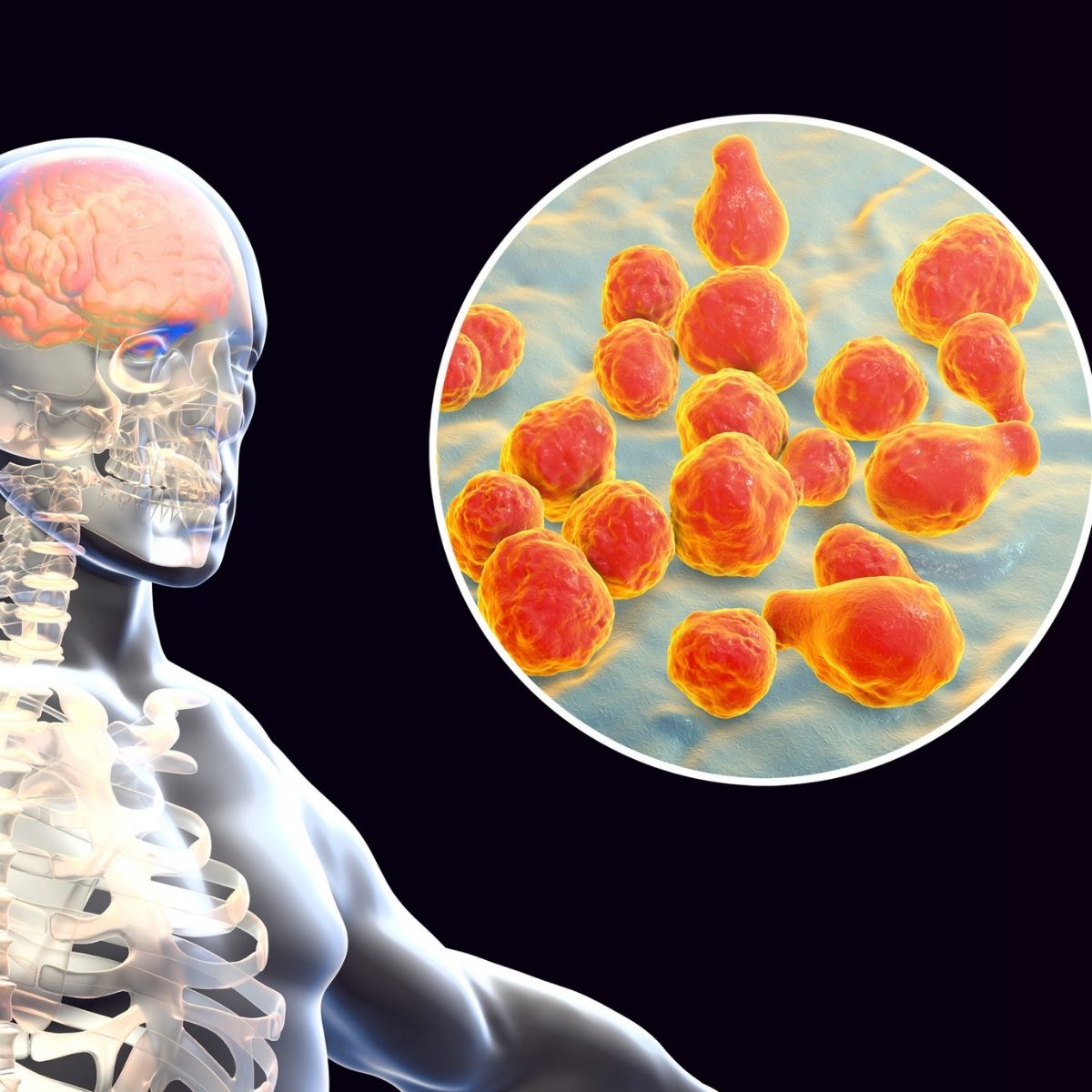
Cryptococosis is caused due to the fungus Cryptococcus neoformans. This fungi harbor in soil and in materials which are contaminated with bird droppings particularly pigeon. Due to certain activities like playing, road work, due to vehicle etc when the soil is disturbed, along with the soil the microscopic fungus contained in the soil spreads into the air. This air when inhaled leads to infection of the lungs. People with weak immune system, young children whose immunity is yet to developed and old people are more prone for developing this infection. HIV patients, people suffering from Hodgkin’s lymphoma, sarcoidiosis and those who are taking corticosteroid medications for prolong period are at high risk for developing this infection.
Clinical presentation:
Cryptococcus causes lung infection. From lungs the infection can travel to other parts of the body like bones, joints, skin and central nervous system. The brain and the meninges are typically affected. The symptoms can range from mild to severe one. At times the patient remains asymptomatic. An individual can land with complaint of cold and coryza, cough and fever. The cough productive type. Pain in chest, difficulty in breathing and shortness of breath, weightloss and pain in bones or body ache are other associated symptoms seen. In HIV patients it can lead to severe complications of pneumonia and dyspnea. Manifestation at the level of skin seen are various types of eruptions either pustular, popular or nodular. Ulcer formation can be seen. Infection affecting the brain and meninges can lead to meningitis. It can gradually alter the mental state. Low grade fever and cerebral edema can occur. Although rare in extreme cases it can lead to facial paralysis, blindness etc.
Investigations:
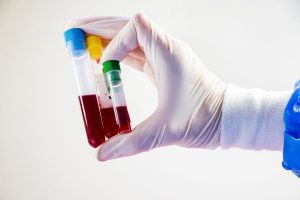
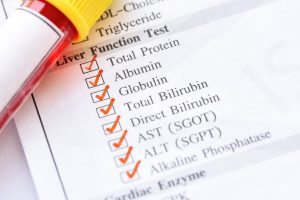
Diagnosis is done of the basis of the symptoms narrated by the patient and the physical examination carried out by the doctor. Cultures of the sputum, blood and CSF are diagnostic. Routine blood test and urines test can also be advised. Along with this testing of blood and urine for antigen can help is coming at accurate diagnosis. In severe cases certain other investigations can also be recommended.
Treatment:
Treatment depends upon the symptoms and part of the body affeceted.In certain mild cases no medical intervention may be needed. While the rest of the cases are treated with antifungal medications. Usually oral administration is advised. In severe cases the person is hospitalized and intravenous fluid administration is started. Rest and a well balanced food intake are recommended.
Other Modes of treatment:
Certain other modes of treatment can also be helpful in coping up the disease. Taking into consideration the symptoms in holistic way, homoeopathy can offer a good aid for the relief of the symptoms. The Ayurvedic system of medicine which uses herbs and synthetic derivates can also be beneficial in combating the complaints.